






Knowing how to contact customer service Amazon is one of those essential pieces of knowledge that every regular online shopper needs to have locked down. It is not always obvious, that is the thing.
Amazon is a massive, complex system, and sometimes you just need to talk to a person about a weird charge, a delivery snafu, or a product that arrived completely wrong.
We all end up in that spot where the automated help page loops you around five times before you give up.
The core issue is cutting through all the automation and getting to a live interaction, and there are very specific pathways for doing that consistently and quickly.
Getting help is definitely not impossible, but you have to know which buttons to push and in what order.
1. The Starting Point Always
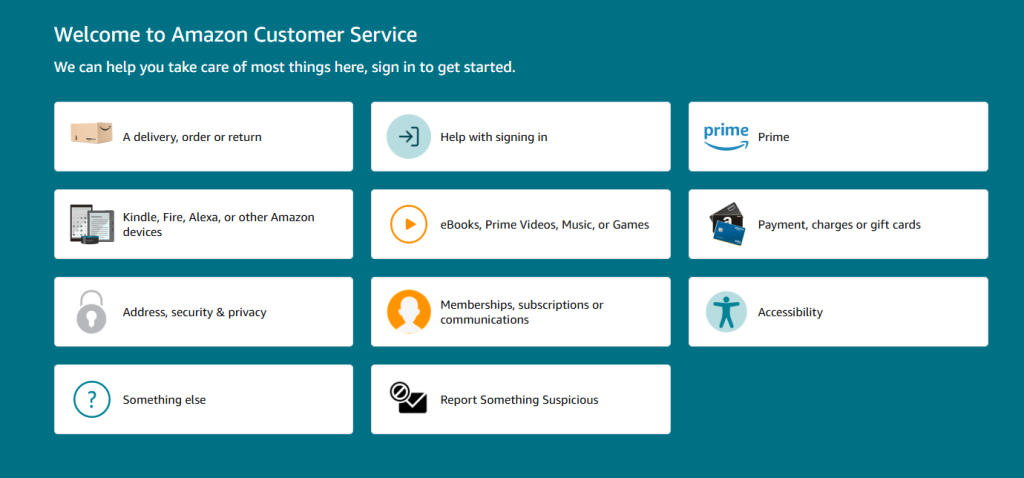
The Amazon Customer Service interface itself is the designated starting point, for better or worse. You should always begin here because they have genuinely built out self service tools for a huge percentage of common issues.
Think about a late package or a simple return authorization. Those things are automated for a reason, they happen millions of times a day, and the system handles it better than a live person could.
The mistake people make is clicking through the wrong paths and getting stuck in a loop.
You need to log into your account and navigate to the Customer Service link. It is usually found right at the top or bottom of the main page, sometimes nested under a “Help” menu.
Once you are there, the system will ask you to identify the specific order or issue you are calling about.
Always pick the most accurate category, even if it feels slightly off. Selecting the correct item and problem type is the single biggest factor in getting routed correctly.
If you skip that step or just choose “Other,” the system treats you like a general inquiry, which is a low priority queue for sure. Be precise, drill down to the exact order number you are struggling with.
This is where you find the self service fixes. Refund status, tracking updates, initiating a return, these are all handled right here with a few clicks.
It is efficient, I have to admit. But when those options fail, or your issue is more complex, you need to know how to pivot and demand a real conversation.
2. Pushing for Live Chat
If the automated suggestions do not solve your problem, the system will eventually offer you a way to contact customer service Amazon with a live agent.
You have to keep clicking past the suggested articles, telling the interface that the provided solutions are not what you need.
The best way to get a quick response is almost always the Live Chat option. Seriously, prioritize this one.
A phone call can mean a significant wait time, and email is painfully slow for back and forth clarification. Chat is instant, and you have a written record of the entire conversation automatically. That record is critical if the resolution falls apart later.
When you see the option for “Chat with an associate now” or similar wording, take it immediately. Do not hesitate.
When the chat window opens, the first person you talk to is often a Tier 1 agent, who is reading from a script and has limited authority. That is standard operating procedure, not just at Amazon but everywhere.
Keep your opening statement clear and concise. State your order number and the exact problem right upfront. Something like, “Order 12345: The wrong size laptop was delivered and the return label is not generating correctly.”
If the Tier 1 agent cannot help you within a few minutes, you need to politely ask for an escalation. Use the phrase, “I need to speak with a supervisor or someone in a higher tier of support who can override this system error.” Be firm but still courteous. The agents are just following their rules, remember.
The key to a successful live chat is patience and clarity. Do not waste time with small talk. Every minute counts when you are waiting in a queue.
3. The Direct Phone Call Route
Sometimes an issue is too complicated or sensitive for a text exchange. Maybe you have a complex billing issue, or the package involves significant value.
This is when you absolutely need to figure out how to contact customer service Amazon by phone.
Now, Amazon does not exactly publish a big, obvious 1800 number on their main page, which is frustrating. They prefer you go through the portal because they can log the issue and verify your identity securely first.
The best way to get the number is to go back to the Help page, select your issue, and keep saying that the self help options do not work. Eventually, the portal will give you the option to Call Me Now.
This is better than dialing a generic number because it queues up an agent who already has your account details, your order history, and the specific issue you are calling about right in front of them. The system calls you, which cuts down on your hold time immensely.
If you absolutely must have a number right now, you can try searching for the general Customer Service phone number, but be cautious. There are many fake numbers out there designed to scam people. I would always trust the number generated by the Amazon portal over a random search result.
When they call you, be prepared. Have your order details open, your account credentials handy, and a notebook ready.
Record the agent’s name, the time, and a reference number for the call. If you have to call back, having that information prevents you from having to start over with a brand new agent. It proves you have already invested time in this issue.
Remember that agents work in different departments. If your issue is about Amazon Fresh, the agent handling Kindle technical support probably cannot help you beyond transferring the call. Clearly state the service area first.
4. Using Email for Records
Email is generally the slowest possible option when you need to contact customer service Amazon. I would only use this channel for two specific scenarios.
First, if your issue is not urgent and you need to send supporting documentation, like pictures of a damaged box or screenshots of a glitchy account screen. Email is perfect for that kind of attachment.
Second, if you want a formal, high level paper trail for a serious dispute, like a major account security concern or a complex policy appeal. The process is slower, but the response you get is usually more carefully worded and legally defensible.
The email contact form is found deep within the Customer Service section, sometimes under the heading “Need more help?”
You do not want to send your first message to a generic support address. You want to use the specific contact form provided on the website, as that routes your inquiry directly to the correct internal team.
When writing the email, treat it like a business letter. Be polite, objective, and detailed. List the order number, the date, and the sequence of events. State clearly what resolution you expect, whether it is a full refund or a replacement item.
Do not write an emotional rant. It will only slow down the process and make it harder for the agent to find the relevant facts. Agents respond best to clear, numbered points.
Keep a copy of the outgoing email. The response time can be several days, and sometimes the resolution will come through before they actually reply to your message. Check your order status and refund history often.
5. Reaching Out on Social Media
In recent years, social media has become a surprisingly effective avenue for getting a quick response, mainly because companies hate the idea of a public unresolved complaint. If you are stuck in a loop and nothing is working, a polite public message can sometimes cut through the red tape.
Amazon has active official accounts on platforms like X, formerly known as Twitter. Do not post all your private information publicly, though.
Tagging their official support account with a concise summary of your issue often prompts a response asking you to move the conversation to a private direct message, which is exactly what you want.
The social media team is often empowered to escalate issues much faster than the standard email support. They are measured on speed and public resolution, so they are motivated to get your issue solved quickly and off the public feed.
Use this method sparingly, as a sort of last resort when the traditional channels have failed you completely. It is not the primary way to contact customer service Amazon, but it is a powerful lever to pull when you are frustrated.
Always be respectful, even in public. A respectful, clear post will get you help. A belligerent one might just get ignored.
6. Dealing with Account Security
Account security issues are completely different, and you need to treat them with extreme caution and priority. This is not about a missing package. This is about your financial information and personal data.
If you suspect your account has been compromised, or you received a strange login notification, you need to bypass the standard support pathways immediately.
Amazon has a dedicated security team and specific protocols for dealing with account takeover, phishing, or other fraudulent activity. You should search for the term “Report a suspected security issue” on their website.
They will provide a specific email address or reporting form that goes directly to the fraud prevention team, not the general customer service queue.
If you cannot access your account, you will need to rely on the account recovery process. This usually involves proving your identity with a combination of email verification, phone number, and potentially providing details about past orders or credit cards on file.
Never, ever click on a link in an email that claims your account is locked and asks you to log in. Always navigate to the Amazon website yourself and check your account status directly.
Phishing attempts are incredibly common, and the scammers are getting good at making the emails look authentic.
For these sensitive issues, the best way to contact customer service Amazon might be through a highly secured web form designed only for security reports, ensuring that the information goes to the right people immediately.
7. Understanding the Resolution
When you finally connect with an agent, whether by phone or chat, the conversation is really only half the battle. The final step is confirming the resolution and understanding the follow up process.
Do not hang up or close the chat until the agent clearly states what is going to happen next. Will a refund be issued? What is the exact amount? When should you expect to see it in your bank account, and what is the transaction ID? Is a replacement item being sent, and what is the new tracking number?
Get all the specifics. It is okay to ask them to repeat the information or summarize the next steps in an email. This is not being difficult, it is ensuring clarity, which is crucial for a smooth transaction.
If they promise a refund, the timeframe is important. Standard policy is usually three to five business days for the funds to reflect, but it can vary significantly depending on your bank and the type of payment used. If you paid with a gift card balance, the refund is usually instant back to that balance.
If the agent promises something that seems too good to be true, like a massive promotional credit or an immediate resolution that contradicts their own policies, be slightly skeptical and ask for a reference number or ticket ID. Just cover yourself.
Sometimes, an issue requires an internal ticket to be generated and passed to a specialized team. If this is the case, get the ticket number.
This number is your ticket to bypassing the initial explanation when you have to call back for a status update later.
8. Navigating Technical Products
Dealing with technical products like Kindle, Echo, or Fire TV devices often requires a specialized level of support. The general customer service line can help with billing and shipping, but they probably cannot walk you through a complex device update or troubleshoot a weird software glitch.
Amazon maintains dedicated support channels for their proprietary devices. If you are having an issue with your Kindle Paperwhite, for example, your first step should be to search for “Kindle Support“ on the Amazon website.
This will take you to a dedicated portal with specific troubleshooting steps, device manuals, and contact options tailored for that product line.
The agents in these departments, often called Amazon Device Support, are cross trained on the technical specifications and common software bugs. They are simply better equipped to handle a device that is stuck in a boot loop than an agent whose primary job is managing logistics.
When you contact customer service Amazon for a technical product, be ready to go through a checklist of basic troubleshooting. They will always ask you to restart the device, check the internet connection, and confirm the software version. Just go along with it; it is their protocol.
If your device is under warranty, they will process a replacement or repair directly from that specialized department, which is usually a faster process than going through the general support structure.
9. Handling Marketplace Sellers
A massive amount of what you buy on Amazon is not actually sold by Amazon itself. It is sold by third party merchants on the Amazon Marketplace. This distinction is absolutely critical when you have an issue.
If the item was sold by a third party, your first point of contact for simple issues like returns or missing parts should be the seller directly.
You can find the seller’s contact information or a “Contact Seller” button on the product page or within your order details. Amazon mandates that sellers respond to customer inquiries within a certain timeframe, usually 48 hours.
Starting with the seller is often the fastest way to get a resolution, as they are managing their own inventory and logistics. They can issue a refund or send a replacement without needing to involve Amazon’s complex internal machinery.
However, if the seller is unresponsive, or if they refuse to honor their return policy, then you need to escalate the issue to Amazon. This is done through the A-to-z Guarantee.
The A-to-z Guarantee is Amazon’s protection for buyers on the Marketplace. If the product is defective, if the delivery is late, or if the item is significantly different from the seller’s description, you can file a claim.
Filing this claim requires you to show that you tried to contact the seller first and that their resolution was unsatisfactory. This process is how Amazon mediates the dispute and, if necessary, forces a refund or pays out of its own pocket. It is the ultimate recourse for Marketplace problems.
10. Understanding Chargebacks and Disputes
Sometimes, a customer service resolution falls apart completely, and you feel that your only remaining option is to dispute the charge with your bank or credit card company. This is called a chargeback, and it should be an absolute, final resort.
When you initiate a chargeback, you are telling your bank that the transaction was fraudulent or that the merchant failed to provide the goods or services. The bank then pulls the money back from Amazon.
Amazon does not like chargebacks. They are expensive, they impact Amazon’s reputation with credit card processors, and they often result in an internal red flag on your account.
If you perform a chargeback without first thoroughly exhausting all of Amazon’s internal resolution options, including escalating through a supervisor or filing an A-to-z claim, you risk having your account permanently suspended or blacklisted. This is a very real thing that happens.
Before you call your bank, you must ensure you have a complete paper trail proving you tried to contact customer service Amazon multiple times and received no satisfactory resolution.
If you decide to proceed with the chargeback, be prepared for Amazon to challenge it. They have teams of people dedicated to providing the bank with all the evidence that the transaction was valid and that you received the item. It turns into a legal dispute, which is messy and takes months to resolve. Avoid it if you possibly can.
The better move is to be relentless with their internal support, escalating the issue again and again until a high level supervisor resolves it. You have to be the squeaky wheel that they decide to pay just to go away. That is much better than a chargeback.
11. Knowing When to Call Corporate

For the most extreme, high impact problems, the standard customer service channels might feel inadequate. We are talking about major fraud, significant privacy breaches, or a complete failure to address a dangerous product issue.
At this level, you are moving beyond transactional support and into the realm of corporate engagement.
Amazon does not publish a direct corporate customer relations number for the public, but you can find the corporate headquarters address and general contact information for their legal or public relations departments with a little research.
I am not suggesting you call the CEO’s personal line, which is an absurd idea. I am suggesting that in truly exceptional circumstances, a formally written letter to the Corporate Offices of Customer Relations can be incredibly effective.
A letter gets handled by a very different class of professional than a chat message. These teams have greater authority, and they treat written, physical correspondence about significant issues with a high level of seriousness.
In your letter, be factual, list every single contact attempt you have made, and include copies of any relevant documents. Sign it. Send it via certified mail so you have proof of delivery.
This is not the answer for “where is my package.” This is the answer for, “My account was hacked and a thousand dollars of items were purchased, and no one in Tier 1 support can help me freeze the account.” It is a final escalation step.
12. Using the Help Hub Effectively
The Amazon Help Hub is designed to make you self sufficient, which saves them money, I understand that completely. But if you know how to use it right, it actually saves you time, too. The key is in knowing the terminology.
Instead of searching for vague terms like “problem with order,” try specific phrases that mirror their internal lexicon, things like “Missing item from shipment,” “Change payment method,” or “Request A-to-z Guarantee claim form.”
The internal search function is very sophisticated, and using the right keywords will take you past the generic top level articles and straight to the specific process or form you need to use.
The hub also changes depending on your account activity. If you have a recent return pending, the return status article will be prioritized. If you have a question about Prime Video, the video help articles move to the top of the list.
Familiarize yourself with the main sections: Orders, Payments, Digital Services, and Account Security. Knowing where your problem fits into this structure is crucial for navigating it quickly.
If you are struggling to figure out how to contact customer service Amazon, spending two extra minutes on a precise search in the Help Hub is a good investment.
13. Tracking Communication History

One of the most frustrating aspects of dealing with any large company is the lack of continuity. You talk to five different people and have to explain your entire situation five different times.
To counter this, you need to use the tools Amazon gives you. They usually maintain a Communication History or Message Center within your account dashboard.
Every interaction you have through email or web forms is typically logged here. You should refer to this history every time you contact them.
Tell the new agent, “Please review the chat transcript from December 5th with agent ‘Sarah M.’ where the resolution was promised.”
This immediately puts the burden of proof back on them and prevents the new agent from simply starting over and going through the same scripted steps that have already failed. It makes the conversation much more efficient.
If you are talking on the phone, the agent will often provide you with a case ID or reference number at the end of the call. Write this down in your notebook, keep all your notes together.
If the agent does not offer a case ID, ask for one. A legitimate case requires a ticket, so getting that number is proof that the issue is logged in their system. This is a crucial administrative step.
This relentless documentation is what separates the people who get a quick resolution from the people who get stuck in the customer service treadmill for weeks. You have to manage the process like a project manager.
14. Understanding Escalation Paths
When an agent tells you they cannot help you, they are not necessarily lying, they genuinely might not have the permissions. Every large organization structures its support in tiers, and Amazon is no different.
- Tier 1: Basic agents, trained for 80 percent of common issues: tracking, basic returns, password resets. Limited ability to override policies.
- Tier 2: Specialists for specific products like technical devices, or complex logistics. They can do more but are still bound by a manual.
- Supervisors/Managers: They have override authority, can approve credits or refunds beyond the standard limits, and can address agent behavior complaints. They are your target when Tier 1 fails.
When you ask for a supervisor, you are not being a “Karen.” You are simply asking for the next level of support that is necessary to solve your unique problem. This is a legitimate part of the process.
Be prepared for the Tier 1 agent to resist or try to handle the issue themselves for a few more minutes.
They are incentivized to resolve the issue without escalation. Be polite, but firm: “I appreciate your effort, but since I have been through the troubleshooting steps, I need to speak to someone with the authority to approve the full refund immediately.”
The key is to ask for a manager or supervisor by title, not just generically asking to speak to someone else.
You are asking for the next level of the organizational chart, which they understand. This is the practical reality of how to contact customer service Amazon when your situation is complex.
15. The Role of the Corporate Legal Department
When things go completely sideways, particularly concerning data, intellectual property, or significant safety issues, you might need to engage with Amazon’s legal department. This is definitely not for a late delivery.
For example, if you are a seller and your business has been severely impacted by a platform error, or if a severe product liability issue has occurred, the corporate legal team is the appropriate recipient for communication.
Similar to the corporate office, this involves formal, written correspondence. You would look for their registered agent information or legal contact details, typically found on their website’s terms of service or privacy policy pages.
A letter to the legal department should be written by an attorney or written with legal precision.
It must state the claim clearly, reference the relevant laws or company policies that were breached, and demand a specific remedy.
This is a step I would only recommend on the advice of a lawyer, and it highlights just how many layers of support Amazon has. Most people only ever see Tier 1.
Knowing how to contact customer service Amazon spans from the simple chat to the corporate counsel.
16. Accessibility and Alternative Methods

Amazon, like all major companies, is required to provide accessible support options for customers with disabilities.
This is important to know, even if you do not personally need it, because it offers an alternative path that might be less jammed.
They usually offer dedicated support lines for customers who are deaf or hard of hearing, often through TTY or relay services.
They also offer special support for customers who rely on screen readers or other assistive technologies for their browsing experience.
These agents are trained to assist with site navigation and accessibility issues, which can sometimes be a side door to getting general support if the other lines are backed up.
You can often find these dedicated numbers or contact forms by searching the Help Hub for “Accessibility.”
It is a good option to remember. Sometimes, a smaller, more specialized support team will have a shorter wait time and more focused attention than the main customer service line, which is overwhelmed with millions of simple tracking and billing questions.
17. The Critical Timing of Contacts
Timing can make a huge difference in your wait time. Generally, avoid trying to contact customer service Amazon during peak hours.
Peak times are typically weekday mornings, 9 AM to noon, and late evenings, 5 PM to 9 PM, particularly right after a major sale like Prime Day or Black Friday. Everyone is online, everyone is opening packages, and everyone is calling with issues.
The best time to try is usually mid afternoon on a weekday, say 2 PM to 4 PM, or very early in the morning, around 6 AM. The queues are significantly shorter, and the agents are generally less rushed and stressed.
I have found that contacting support on a Sunday afternoon can also be surprisingly effective. Most people are enjoying the weekend and not thinking about customer service problems.
If you are using the Live Chat, pay attention to the estimated wait time.
If it is showing 20 minutes, you might want to try the Call Me Now option instead, as that usually gives you a more definite time. If the chat wait is just a few minutes, jump on it.
Being strategic about the time of day you reach out is a small but meaningful tactical advantage in getting a faster, higher quality resolution. It is a practical detail that only comes from experience.
18. Maintaining Your Own Notes

I cannot emphasize this enough: you must maintain your own communication log.
You have to be the keeper of the truth, especially when trying to figure out how to contact customer service Amazon for a prolonged, difficult issue.
Keep a simple document or notebook with the following information for every single contact:
- Date and Time of the interaction.
- Channel: Chat, Phone, Email, Social Media.
- Agent Name/ID: Ask for it. If they only give a first name, write down a short physical or tonal description to help you remember.
- Case/Ticket ID: Always get a reference number.
- Summary of Resolution Promised: Write down the exact promise, e.g., “$45.99 refund processed, expected in 3-5 days.”
- Follow Up Date: When should you check back if the issue is not resolved?
This log is your most powerful tool. It allows you to call a new agent and say, “According to Case ID 78901, your colleague promised a full refund on Tuesday.
It is now Friday and I have not seen it. Can you please investigate why the case was not closed?”
This structured, factual approach shifts the dynamic. You move from being a frustrated customer to being a well organized person who is simply requesting the promised action be completed.
It works every time.
19. Leveraging External Resources
For certain problems, particularly those involving delivery issues, Amazon’s internal support might reach its limit.
They can only tell you what the system tells them. At that point, you need to leverage external resources.
If your package is stuck in “Pending” for days, the issue is with the carrier, not Amazon. The next step is to use the tracking number and contact the carrier directly: UPS, FedEx, or USPS.
These carriers often have much more granular detail on the package’s location and what the hold-up is.
They can tell you if a truck broke down, if the label was damaged, or if the package is being held at a local facility.
You should always use the tracking number to search the carrier’s official website, and use the contact information provided there.
Telling the Amazon agent, “I already called FedEx and they said the package is lost,” is a much more powerful statement than just saying, “The package is late.”
For any general policy questions or troubleshooting, a quick search of consumer protection websites or established tech blogs can often clarify the company’s official stance on things like return windows or warranty terms before you even pick up the phone. Know the policy before you argue about it.
20. The Takeaway on Contact

Knowing how to contact customer service Amazon is about understanding the system’s preferred path and knowing how to bypass it when it fails.
Start with the self service options, but do not waste time there. Pivot quickly to Live Chat, as it is the most efficient channel.
If the issue is complex, use the Call Me Now feature to get a callback with a pre logged issue.
Always document every interaction with a case ID. Be polite, be specific, and be prepared to escalate to a supervisor when Tier 1 support reaches its limit. That is the practical approach to dealing with a company this size.
You May Also Like:
- 12 Best Customer Service Examples That Build Loyalty
- How to use customer relationship management | TOP 10 Secrets
- 15 Powerful Virtual Meeting Etiquette Rules for Success
- 25+ Best Customer Interaction Management Systems for 2025
Frequently Asked Questions
What is the fastest way to get help with an order issue?
The fastest way to get direct assistance is usually through the Live Chat option within the Amazon Customer Service portal. Navigate to the “Customer Service” link, select your specific order and issue, and keep navigating past the suggested articles until the Live Chat option appears. This is quicker than a phone call and provides an instant written record of your interaction with the agent. The key is knowing how to contact customer service Amazon efficiently.
Can I call a direct phone number for support?
Amazon generally prefers you use their Call Me Now feature, which is accessed through the online help center after you log in and specify your issue. This system has an agent call you back, which connects you to a specialist who already has your account information and problem details, minimizing your wait time and the need to repeat yourself. Searching for how to contact customer service Amazon will reveal a general number, but the callback is better.
What should I do if a third party seller is not responding to me?
If a third party seller on the Amazon Marketplace is unresponsive or fails to resolve your issue satisfactorily, you should escalate the situation by filing an A-to-z Guarantee claim. This guarantee is Amazon’s protection for buyers and allows Amazon to mediate the dispute or issue a refund directly. Ensure you have evidence that you attempted to contact the seller first before filing the claim.
How do I report a potential security issue with my account?
For urgent issues like account hacking or phishing concerns, you should bypass the standard customer support line and use Amazon’s dedicated security reporting forms or email channels. Search for “Report a suspected security issue” on their website to find the specific contact information that goes directly to their fraud prevention and security teams. This is a critical step for how to contact customer service Amazon in an emergency.