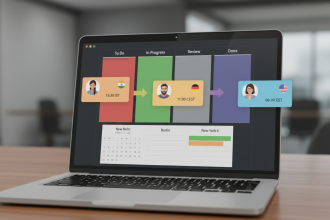






Employee Recognition Platforms with Gamification
The surge of employee recognition platforms with gamification is not a coincidence, it is a response to something very real happening inside modern workplaces.
Teams are scattered, attention is overloaded, and the usual reminders to appreciate people often disappear behind deadlines and meetings.
Yet the need for recognition keeps rising, almost like a pulse that refuses to quiet down. Managers feel it, employees want it, and organizations that ignore it end up paying for it in morale, retention, and productivity.
So these platforms rise, not as fancy add ons, but as core tools for sustaining motivation when everything else feels fast and noisy.
The way they blend reward mechanics with daily work is what changes the whole rhythm of engagement.
Before diving into the deeper layers, I need to share a personal impression that keeps returning whenever I test a new platform.
There is a moment, usually while navigating the main dashboard, when I sense something familiar, almost instinctive.
People respond to progress, to recognition, to visible movement. It is the same feeling I had when I once watched a call center team compete for weekly performance points, long before digital gamification became a trend.
The drive was natural, almost effortless. Employee recognition platforms with gamification simply bring that energy into a structured digital environment where everything flows with purpose.
Now let us explore the mechanics and the human reality behind these systems.
1. Why Gamification Works

Employee recognition platforms with gamification rely on a very old human pattern, the satisfaction of measurable progress.
Point systems, leveling structures, and achievement loops do not create motivation by themselves, but they reinforce it in visible ways that people can feel.
When a team member receives recognition from a colleague and sees their progress reflected instantly, something shifts.
The workplace becomes a space where effort is seen and rewarded without waiting for annual reviews.
I once read a behavioral study from the University of Pennsylvania about micro rewards and their effect on motivation.
The research highlighted how small acknowledgments during the workweek can boost commitment more than large yet rare recognitions.
You can find similar thinking in Gallup’s recurrent engagement findings at Gallup. This matches what happens inside employee recognition platforms with gamification.
A micro moment of appreciation creates a dependable rhythm of motivation that grows over time.
Another important element is the visibility of recognition. When recognition is shared within a team space, it reinforces social proof.
People see each other succeeding, contributing, delivering. This creates a collective energy that spreads naturally.
Managers benefit as well because the platform becomes a transparent window into daily contributions that usually stay hidden.
2. Core Structure of These Platforms
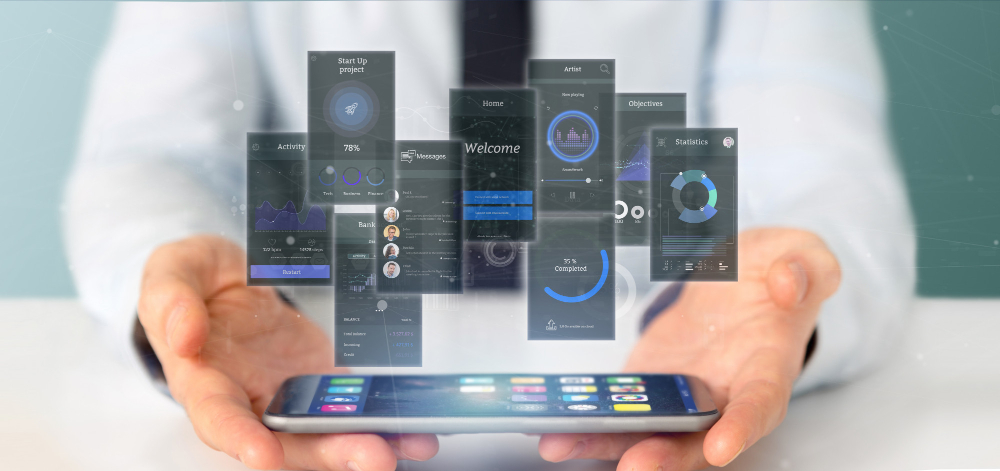
Employee recognition platforms with gamification usually mix three essential layers: the recognition engine, the gamification engine, and the analytics engine.
Each layer works independently but becomes powerful when combined.
- A recognition feed where colleagues appreciate each other for tasks completed, collaboration moments, and initiative
- A gamified structure that includes points, challenge loops, progress bars, and achievement moments
- An analytics view that shows engagement levels, recognition frequency, and team sentiment patterns
These components are not decorative, they create a continuous cycle.
Recognition triggers progress, progress inspires more participation, participation creates valuable data, and managers use this data to understand team morale.
When this loop is consistent, the platform becomes a daily touchpoint rather than a forgotten tool.
In practical terms, companies using employee recognition platforms with gamification see more activity from remote teams because the platform becomes an anchor.
It gathers people around the same rituals of appreciation without forcing meetings or extra processes. Everything happens as part of the workflow.
3. Where Motivation Starts

People often assume motivation begins with rewards, but that is rarely the case. Motivation inside these platforms usually begins with acknowledgment.
The moment someone feels noticed, their internal drive increases. This is why the simplest features often deliver the strongest emotional impact.
A thank you message, a recognition badge, a spotlight moment in the feed, a small progress increment. These tiny gestures create a sense of belonging.
During my early research on recognition culture, I visited a financial services office that had implemented a basic point based platform.
Nothing extremely sophisticated, no extravagant features. And yet the employees kept talking about how the tool made them feel part of something.
Progress was visible, teamwork was visible, and contribution felt meaningful. That office had one of the highest retention rates in the region.
Employee recognition platforms with gamification take this natural human response and package it in a digital space where it becomes stable and predictable.
Recognition is no longer dependent on the mood of the manager or the chaos of the day. It becomes a structured habit.
4. Cultural Impact on Teams
Culture shifts slowly, but when a team starts using employee recognition platforms with gamification, the shift becomes noticeable within weeks.
Appreciation becomes normal, not forced. Team members start speaking positively about each other more frequently. Remote workers feel closer.
Managers become more aware of what is happening on the ground.
Here are the patterns I see most often:
- Increased social cohesion because recognition becomes a shared language
- Reduced tension in teams because effort is seen consistently
- Better onboarding experiences for new hires who immediately feel included
- More initiative from employees who finally see a pathway for contribution
A recurring thing I notice during interviews is how employees describe recognition as something that makes work feel alive. Without it, work becomes mechanical.
With it, everything gains energy. This emotional lift is one of the most important reasons why companies adopt employee recognition platforms with gamification.
It is one of the rare tools that helps reinforce culture without imposing it.
5. How Platforms Change Leadership

Most managers want to recognize their teams more often, but they struggle with time, memory, and visibility.
Employee recognition platforms with gamification change this by giving leaders a structured place where recognition is natural and consistent.
Managers start noticing more, interacting more, appreciating more. The platform becomes a daily reminder.
There is also an interesting leadership evolution that occurs. Managers begin to understand which employees contribute quietly behind the scenes.
These are the team members who rarely promote their own achievements. Gamified recognition brings their work to the surface because colleagues are more likely to appreciate them publicly.
From a data perspective, the analytics features help leaders understand patterns they would never identify manually.
Engagement drops, recognition gaps, department sentiment, weekly energy, all visible.
Some leaders even adjust their management style based on this data, creating faster and more accurate responses to team needs.
6. What Employees Really Want
After analyzing feedback from teams in tech, finance, logistics, and education, one truth remains constant. Employees want recognition that feels genuine and timely.
Employee recognition platforms with gamification deliver this through simple, frequent, and meaningful exchanges.
People want:
- To feel noticed in the moment
- To receive recognition from peers, not only managers
- To see their progress moving in a visible way
- To belong to a culture that values contribution
- To have fair access to appreciation without favoritism
Gamification plays an important role because it transforms the recognition ritual into something tangible. Instead of vague appreciation, the progress becomes visible and trackable.
Employees can follow their impact, celebrate milestones, and participate in team culture actively.
7. Choosing the Right Platform

Selecting an employee recognition platform with gamification is more than picking a flashy dashboard. It is about understanding your team’s culture, workflow, and goals.
The best platforms fit seamlessly, rather than forcing new habits. When I consult companies, the first step is always to map daily interactions.
How often do teams collaborate? Where do moments of appreciation naturally occur? Then, the platform becomes an enhancement, not a replacement.
Key considerations include:
- Integration: Does it connect to existing tools like Slack, Teams, or email?
- Flexibility: Can you customize badges, points, and challenges to match culture?
- Visibility: Are recognition moments easy for everyone to see without overwhelming feeds?
- Analytics: Does it provide actionable insights for leadership without being complicated?
A platform that nails these factors makes gamification feel intuitive. Teams don’t need training manuals to engage, the system encourages natural participation, and recognition happens organically.
8. Designing Gamified Workflows
The most effective employee recognition platforms with gamification rely on workflows designed for consistency.
Gamification is not about forcing competition, but creating repeated, meaningful moments of acknowledgment.
I often advise clients to start with simple weekly loops that reward contributions visible to the team. Over time, micro challenges, milestone badges, and peer nominations can be layered in.
A typical workflow might look like this:
- Daily Recognition: Quick peer to peer acknowledgments for collaborative tasks
- Weekly Challenges: Department or project based goals with small rewards or points
- Monthly Spotlight: Highlight individuals who consistently receive recognition
- Quarterly Analytics: Review patterns, gaps, and engagement trends to adjust strategy
This stepwise approach prevents overload. If the system is too complicated at launch, engagement drops. If it is too simple, motivation plateaus.
The right balance comes from observing participation and adjusting loops accordingly.
9. Real Case Examples
Looking at real applications provides insight into impact. For instance, a mid size software firm implemented an employee recognition platform with gamification that used points and badges visible in Slack. Within three months:
- Peer recognition increased by 47 percent
- Team engagement scores improved by 32 percent
- Employee turnover decreased, especially among remote contributors
Another case from a healthcare provider demonstrates the emotional side.
Staff members in high pressure roles received daily micro recognition for small achievements, and the sense of value was palpable.
The gamification elements helped keep motivation tangible, and managers reported improved morale without adding extra meetings or administrative tasks.
These examples show that gamification is not just about fun, it is about structure, visibility, and consistent reinforcement of positive behaviors.
10. Advanced Gamification Loops

For teams ready to elevate their approach, advanced gamification loops offer deeper engagement.
This includes integrating social competition, cross department challenges, and multi tiered achievements.
Employees start noticing not just their own progress, but the impact on the collective energy of the organization.
Some ideas that work well:
- Tiered Points: Different achievements earn different weight points, creating subtle strategic goals
- Team Goals: Small groups compete to meet objectives, fostering collaboration and friendly rivalry
- Cumulative Rewards: Milestones accumulate to unlock meaningful recognition or perks
- Real Time Feedback: Immediate acknowledgment strengthens the emotional connection
The beauty of advanced loops is their flexibility. They adapt to team size, project types, and even remote settings.
Employees engage because they feel progression, visibility, and influence over outcomes. Leadership gains because the platform surfaces contributions that might otherwise go unnoticed.
11. Measuring Success
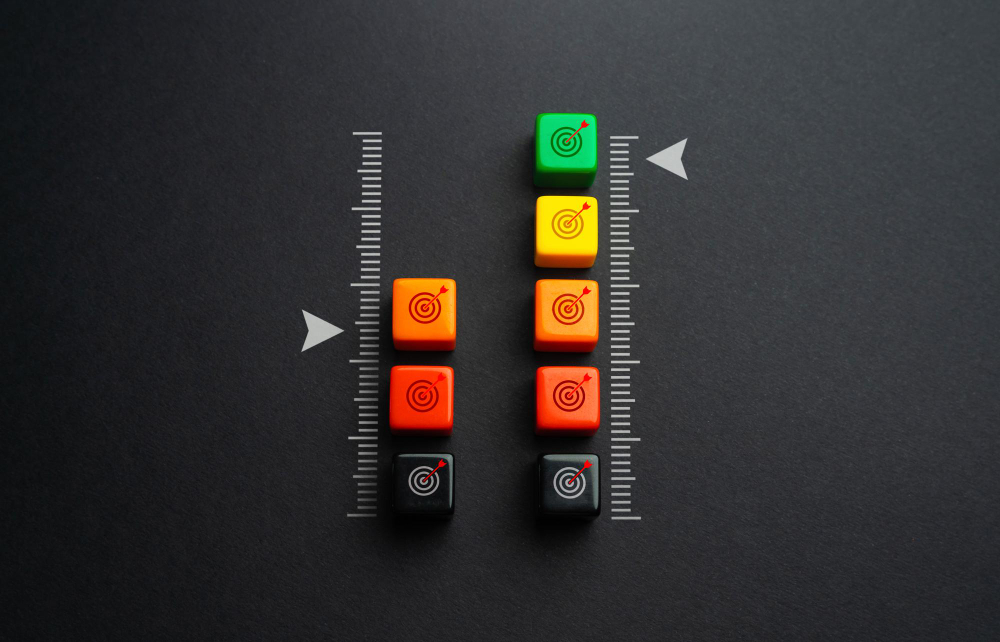
Without measurement, gamification risks becoming decorative. Employee recognition platforms with gamification provide rich data on participation, recognition frequency, sentiment, and even contribution patterns.
Leaders can assess engagement, identify silent contributors, and adjust workflows based on evidence rather than intuition.
Metrics to track:
- Frequency of Recognition: Are employees using the system consistently?
- Peer Engagement: Are team members recognizing each other or relying on managers?
- Performance Alignment: Are points and badges aligned with actual business objectives?
- Retention Trends: Does recognition correlate with employee satisfaction and tenure?
Regular review allows companies to fine tune features, avoid fatigue, and maintain authenticity.
Recognition remains genuine because it is not just automatic, but informed by ongoing observation.
12. Pitfalls to Avoid
Even the best platforms can fail if misused. Common pitfalls include:
- Overloading feeds with meaningless badges that dilute real recognition
- Making gamification purely competitive, which can reduce collaboration
- Ignoring analytics, so managers cannot act on trends or gaps
- Neglecting cultural alignment, causing the platform to feel foreign rather than supportive
The solution is simplicity, visibility, and relevance.
Employee recognition platforms with gamification succeed when they integrate naturally into workflows, reflect the organization’s values, and respect human emotion.
Motivation thrives when recognition is timely, authentic, and shared across the team.
13. Future Trends
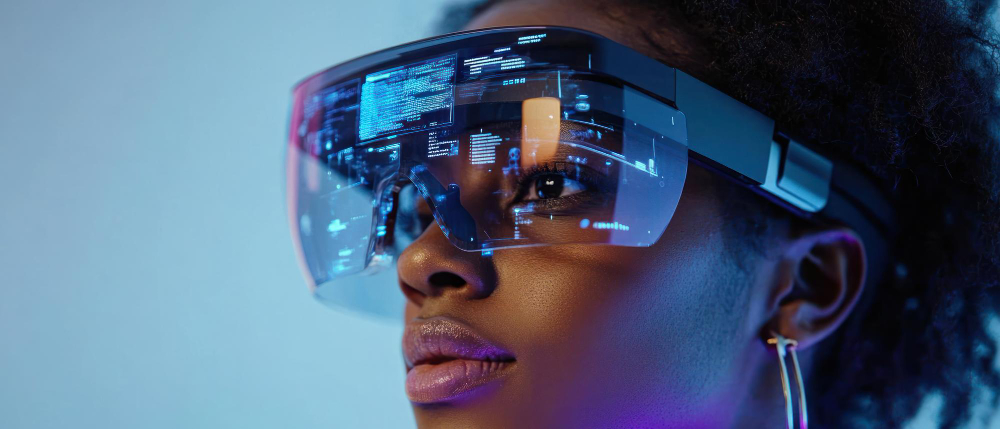
The next wave of employee recognition platforms with gamification emphasizes personalization, AI insights, and cross platform visibility.
Imagine platforms that adjust recognition recommendations based on behavioral patterns, suggest peers who may appreciate contributions, and even adapt gamification loops in real time to maintain engagement.
Remote and hybrid teams benefit immensely because digital recognition becomes more than optional, it becomes a connective tissue between distributed employees.
Companies that invest early in thoughtful implementation are positioned to see stronger engagement, retention, and culture reinforcement for years to come.
14. Showcase Examples of Gamification Features
When people talk about gamification inside companies, they often imagine something exaggerated, almost like a video game.
But in reality, the strongest employee recognition platforms with gamification use features that feel subtle, simple, and workplace ready.
I have spent enough time inside different offices to see how these features work in real life. Some are surprisingly small, yet they create genuine emotional impact.
Below are examples that consistently make a difference.
Achievement Badges That Mark Real Milestones
Badges work because they symbolize moments that would normally pass silently.
For instance, a customer support agent hits a personal record of resolved cases, and instead of being lost in spreadsheets, the platform spotlight shows a badge that everyone sees.
People feel the shift instantly. It is not childish, it is acknowledgment wrapped in design.
Points That Reflect Daily Effort
The strongest platforms do not reward only big wins. They give points for micro contributions that keep the organization alive.
Helping a colleague, sharing a useful resource, staying consistent on tasks.
Over time, the points create a narrative of who is pushing, who is collaborating, who is showing up. Managers finally see the invisible work.
Leaderboards That Encourage Friendly Energy
Leaderboards get a bad reputation because poorly executed ones create negative pressure. But when balanced, they bring excitement.
I saw one marketing team where the leaderboard displayed the top contributors weekly, not daily, which softened competition and increased participation.
Employees wanted to appear on the board not for ego, but for pride in their role.
Team Challenges That Strengthen Collaboration
Instead of rewarding only individuals, some platforms use team based challenges.
For example, a whole department needs to reach a combined score to unlock a company wide acknowledgment moment.
This method transforms recognition from a personal chase into a collective achievement. Everyone feels responsible, and suddenly communication flows more naturally.
Streak Tracking That Rewards Consistency
Consistency is usually overlooked, but streaks solve this.
A simple visual line showing how many days or weeks an employee has contributed creates a gentle psychological push. Streaks build habit.
People rarely want to break a streak once it grows. It is one of the quietest yet strongest gamification elements.
Spotlight Moments That Highlight Employees Publicly
Some platforms create a rotating spotlight card that features employees based on peer nominations or accumulated points.
It stays pinned on a shared dashboard for a few days.
You would be surprised how powerful this is. People open the app just to see who got the spotlight.
Recognition becomes part of the company’s rhythm.
Reward Stores That Convert Points Into Perks
Reward stores bring tangibility. Points can be converted into experiences, learning credits, lunch vouchers, or small items.
It is not about expensive rewards, it is about choice. Employees love feeling that their effort accumulates into something they can select.
The autonomy is almost more powerful than the reward itself.
Social, Emoji Based Reactions That Make Recognition Fast
A quick reaction, a simple emoji, or a creative sticker can turn recognition into a natural interaction instead of a formal process.
This is especially effective in hybrid teams.
People react instantly, they smile at their screens, and for a moment, the workplace feels alive.
Progress Bars That Visualize Growth
Progress bars appeal to something very primal. Seeing a bar move as tasks, contributions, or recognition moments grow creates a sense of direction.
It is a visual promise. Employees understand exactly where they stand and where they are going.
Platforms that use progress bars often show increased engagement within weeks.
Seasonal Events That Keep Things Fresh
The best platforms occasionally introduce themed recognition events.
For example, a yearly collaboration challenge, or an end of year appreciation month.
These events use gamified elements to re energize participation. It feels like a cultural refresh without disrupting work.
Each of these features plays a specific psychological role. Some trigger emotional satisfaction, some create movement, some build habit. Together, they form a recognition ecosystem that elevates motivation and strengthens culture. When applied carefully, employee recognition platforms with gamification stop feeling like software and start feeling like part of the workplace identity.
You May Also Like
- Cost of Employee Recognition Platforms: Is It Worth the Investment
- Employee Recognition Platforms for Remote Teams: Best Practices
- How Employee Recognition Platforms Improve Retention and Engagement
FAQs
How do platforms increase team motivation?
Employee recognition platforms with gamification increase motivation by creating consistent, visible, and meaningful recognition. Points, badges, and peer acknowledgment turn effort into tangible progress, boosting engagement naturally.
Can gamification work for remote teams?
Absolutely. Remote teams benefit from digital recognition because it makes contributions visible across locations, reinforces social connection, and encourages participation without physical presence.
What metrics should I track for success?
Track recognition frequency, peer engagement, performance alignment, and retention trends. Analytics ensure the system is effective and helps managers act on insights.
Is competition healthy in these platforms?
Competition can be healthy when balanced with collaboration. Platforms should reward both individual achievements and team success to avoid unhealthy rivalry while maintaining engagement.
How do I choose the best platform?
Prioritize integration with existing tools, flexibility in gamification settings, visibility of recognition moments, and actionable analytics. A platform should enhance culture, not disrupt it.