





What is a customer relationship management system is a question that keeps showing up in boardrooms, small offices, coworking desks and even in those late evening calls where everyone is trying to make the business move faster.
There is a simple reason.
Companies finally realized that nothing grows without a real system that organizes every conversation, every opportunity and every client interaction.
In this article I bring a practical and very human view of this topic, something that comes from real experience watching teams struggle with spreadsheets, scattered notes and chaotic communication.
A customer relationship management system solves exactly that. It brings order where everything feels loose. It gives visibility where the brand only had guesses.
And it turns every interaction into value when used correctly.
1. Definition of a Customer Relationship Management System
When we talk about what is a customer relationship management system we are talking about a central place where the company stores every detail related to clients, prospects and partners.
It is a living ecosystem that keeps track of calls, messages, deals, tickets and internal notes.
It is not only a database. It is a way of connecting information so that teams stop acting blind.
A customer relationship management system becomes the memory of the organization. It captures the past, organizes the present and points to the next actions.
Even in small companies this type of system adds structure and rhythm. It keeps the business consistent.
The software becomes a reference point that shows who said what, who promised what and what still needs to move forward.
In simple words it is the operational backbone of customer relationships.
2. Core Features of CRM Systems
When answering what is a customer relationship management system we naturally look at the features that make it work.
The common elements appear across every mature CRM.
- Contact management that groups people, companies, phone numbers, emails and every essential detail.
- Deal tracking that allows sales teams to follow each opportunity from first conversation to closing.
- Task automation that sends reminders, schedules follow ups and reduces human error.
- Pipeline visualization that gives a real time sense of what is happening and what is stuck.
- Reporting that turns data into practical insight for managers who need instant clarity.
- Communication logs that collect all calls, messages and emails in one timeline.
- Integration with tools like email services, accounting software and marketing platforms.
These core features bring consistency to daily work and remove guesswork from decision making.
3. Types of CRM Systems
When companies ask what is a customer relationship management system they usually discover that different types exist for different realities.
- Operational CRM that focuses on daily activities such as contact management, pipelines and deals.
- Analytical CRM that uses data to highlight patterns, trends, predictions and customer behavior.
- Collaborative CRM that connects departments so sales, marketing and support no longer act separately.
- Strategic CRM that focuses on long term customer value and retention planning.
Each type has a different purpose yet they all support the same mission, strengthening relationships and centralizing information.
4. Benefits of Using a CRM System
When leaders truly understand what is a customer relationship management system they start seeing the benefits immediately.
- Better visibility across the entire customer journey.
- More predictable sales performance with a clear pipeline.
- Faster response times since every interaction is logged and accessible.
- Stronger marketing campaigns that rely on organized data.
- Higher retention because the company remembers details that customers appreciate.
- Reduced errors in follow ups because the system sends automatic reminders.
- Cleaner communication between sales, marketing and support.
- Better forecasting because real data replaces assumptions.
These benefits compound over time and create a stronger business foundation.
5. Challenges in CRM Implementation
Even after understanding what is a customer relationship management system most companies discover that implementation is not always smooth.
- Teams may resist change because they feel the system adds extra steps.
- Data migration from spreadsheets can be messy when information is incomplete.
- Poor configuration can create confusion and reduce adoption.
- Lack of training leaves people unsure of how to use the features.
- Leadership can underestimate the time needed for full adoption.
These challenges are normal and part of the process. With proper planning and patience the system becomes the center of daily operations.
6. CRM in Sales
Every sales leader eventually asks what is a customer relationship management system because the impact in sales is huge.
The CRM becomes the command center for closing deals. It tracks every stage of the pipeline, showing what needs attention today and what can wait.
It helps salespeople remember commitments and keeps opportunities warm. It gives managers a real sense of the team’s progress.
It organizes call notes, meeting results and negotiation details. The entire sales cycle becomes easier to manage when everything lives in one place.
7. CRM in Marketing
Marketing teams also feel the importance of knowing what is a customer relationship management system.
The CRM gives marketers the clarity they need for segmentation, audience understanding and campaign planning.
The data inside the system shows patterns, interests and buying habits. It allows precise messaging and enriched personalization.
It helps marketers measure the direct impact of their efforts. When marketing and CRM work together, the brand communicates more naturally and more efficiently.
8. CRM in Customer Support
Support teams rely on the CRM to respond faster and solve issues with context.
When a company understands what is a customer relationship management system it immediately sees how support becomes smoother.
Every ticket or complaint appears with the full history of the customer.
The agent knows what was promised, what happened before and what expectations exist.
This reduces frustration and increases satisfaction. It also reveals recurring issues that leadership needs to address.
9. CRM vs Other Business Tools
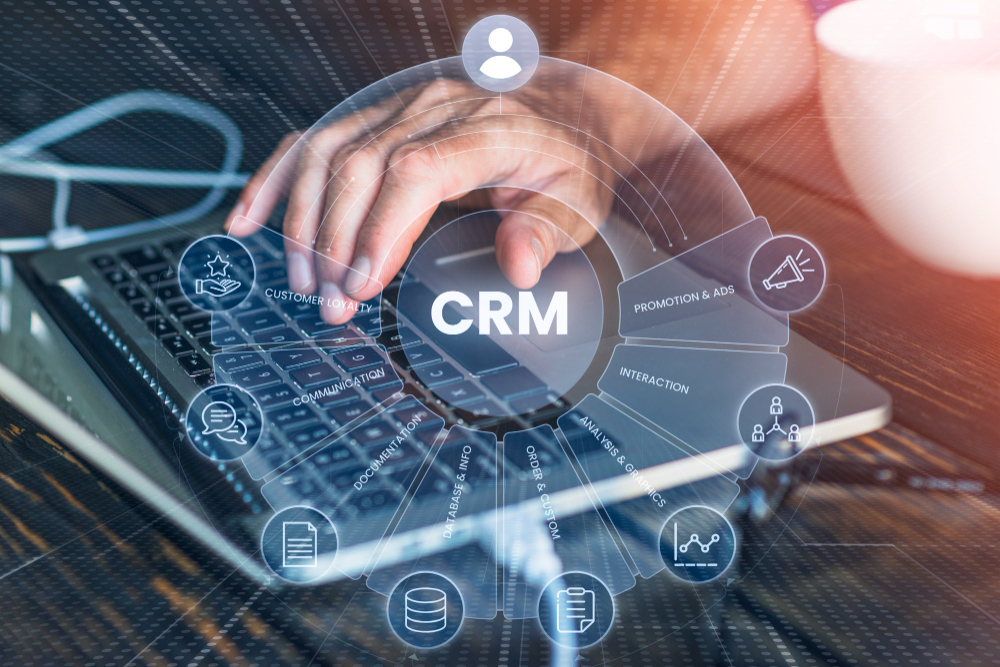
A common question after asking what is a customer relationship management system is how it compares to other tools.
A CRM is not a simple spreadsheet because it is dynamic and connected. It is not an email inbox because it organizes conversations by customer.
It is not a project management tool because it focuses on relationships, not tasks.
It is not accounting software because it deals with clients before and after the financial process. It stands apart because it ties all interactions into one single narrative.
10. CRM for Small Businesses
Small companies often believe that what is a customer relationship management system applies only to large enterprises.
That is not true. Small teams rely even more on organized client data.
A CRM helps keep track of leads, keeps communication consistent and supports growth with less stress.
It gives small businesses a sense of control and reduces lost opportunities. Even with a small budget the advantages are clear.
11. CRM for Enterprises
Enterprise level teams already know that what is a customer relationship management system is a strategic asset.
Large companies need order, integration and compliance. A CRM helps coordinate thousands of interactions across departments.
It supports large pipelines, complex workflows and multiple teams working in parallel. It maintains data accuracy and supports leadership with real time insight.
At scale, the CRM becomes the heart of the organization.
12. CRM in Remote and Hybrid Work
Remote work made everyone rethink what is a customer relationship management system because teams no longer sit together.
The CRM becomes the shared workspace where everyone follows the same information. It breaks geographical barriers and gives all employees the same visibility.
Managers can track progress without micromanaging.
Teams collaborate smoothly even with time zone gaps.
The system becomes the virtual office for customer operations.
14. CRM Trends in 2025
In 2025 companies continue asking what is a customer relationship management system but now they expect more intelligence, more automation and more integration. The trends reflect this.
- AI assisted recommendations that help teams know the next best actions.
- Unified communication that keeps calls, chats and emails in one place.
- Predictive scoring that identifies strong leads automatically.
- Mobile first usage for teams working outside the office.
- Stronger privacy controls due to global regulations.
One interesting resource that discusses this evolution is Gartner who frequently publishes guidance on CRM maturity and technology evolution.
15. How to Choose the Right CRM System

Once companies understand what is a customer relationship management system they start evaluating solutions. The decision usually follows a simple logic.
- Identify the real needs of the team.
- Evaluate how intuitive the interface feels.
- Confirm if the system integrates with existing tools.
- Check pricing for long term plans.
- Look at support quality and onboarding resources.
- Test automation features since they save the most time.
- Analyze reporting because data drives decisions.
Choosing the right CRM is less about popularity and more about fit.
Conclusion
After exploring what is a customer relationship management system it becomes clear that this type of tool is not optional anymore.
It is essential. It organizes the company, it aligns departments and it gives clients a more respectful experience.
Every modern business that wants stability and consistent growth eventually ends up adopting a CRM. It is not about technology for the sake of technology.
It is about building a business that knows its customers, understands its processes and acts with precision.
You May Also Like:
- The Ultimate 10 Best CRM for Real Estate Investors in 2025
- The Ultimate 10 Best CRM for Financial Advisors in 2025
- How to Use CRM System Effectively for Maximum Results | Guide 2025
Frequently Asked Question
What is a customer relationship management system
It is the central place where all client interactions, deals and activities are organized so teams can work with clarity.
How is a CRM used every day
Teams use it to track conversations, update pipelines, schedule follow ups and store customer details without losing information.
Is a CRM hard to learn
Most modern tools are intuitive and only require a few days of practice before becoming part of the workflow.
Why do small businesses need a CRM
Because it prevents lost opportunities, keeps communication organized and supports growth with less stress.
How does a CRM improve sales
It helps sales teams track the entire pipeline, remember commitments and move deals with more confidence.