






Best customer service examples
Customer service is no longer a department, it is a company wide philosophy.
- Best customer service examples
- The New Service Standard
- Why Service Stories Matter
- 1. The Zappos Loyalty Loop
- 2. Amazon’s Effortless Refunds
- 3. The Ritz Carlton Magic
- 4. Slack’s Proactive Helpfulness
- 5. Apple’s Genius Bar Clarity
- 6. Lego’s Replacement Brilliance
- 7. USAA’s Empathetic Understanding
- 8. Nordstrom’s No Questions Policy
- 9. Disney’s Immersive Experience
- 10. Tesla’s Over The Air Fix
- 11. Chewy’s Heartfelt Handwritten Notes
- 12. Southwest’s Human Humor
- Implementing The Magic
- The Human Connection
- You May Also Like:
- Frequently Asked Question
The difference between a business that survives and one that truly thrives often comes down to a single, transformative interaction.
We are moving beyond scripted replies and measured hold times into an era where service feels less like a transaction and more like a genuine human connection.
This is where legends are born and loyalty is forged, not bought.
Let us explore the real world moments that define this shift, the best customer service examples that are setting a new, remarkably human standard.
The New Service Standard

Gone are the days when good service just meant solving a problem quickly.
The bar has been raised, dramatically. Today’s best customer service examples are not about efficiency alone, they are about emotional resonance.
They are the interactions that feel surprisingly human, the solutions that seem to anticipate a need you did not even fully articulate.
This new standard is built on a foundation of empathy, empowerment, and a profound understanding that every support ticket is not an interruption, but an opportunity to build a relationship for life.
It is the difference between closing a case and opening a connection.
Why Service Stories Matter

We remember stories, not statistics. A customer satisfaction score is a data point, but a story about a support agent who stayed on the phone just to listen, or a company that shipped a replacement product before you even asked, that is what sticks.
These narratives become the bedrock of a brand’s reputation. They are shared over coffee, posted on social media, and whispered as recommendations between friends.
These best customer service examples act as powerful, organic marketing tools that no advertisement can ever hope to match.
They provide a tangible, relatable blueprint for what excellence looks like, inspiring both customers to expect more and companies to deliver it.
1. The Zappos Loyalty Loop
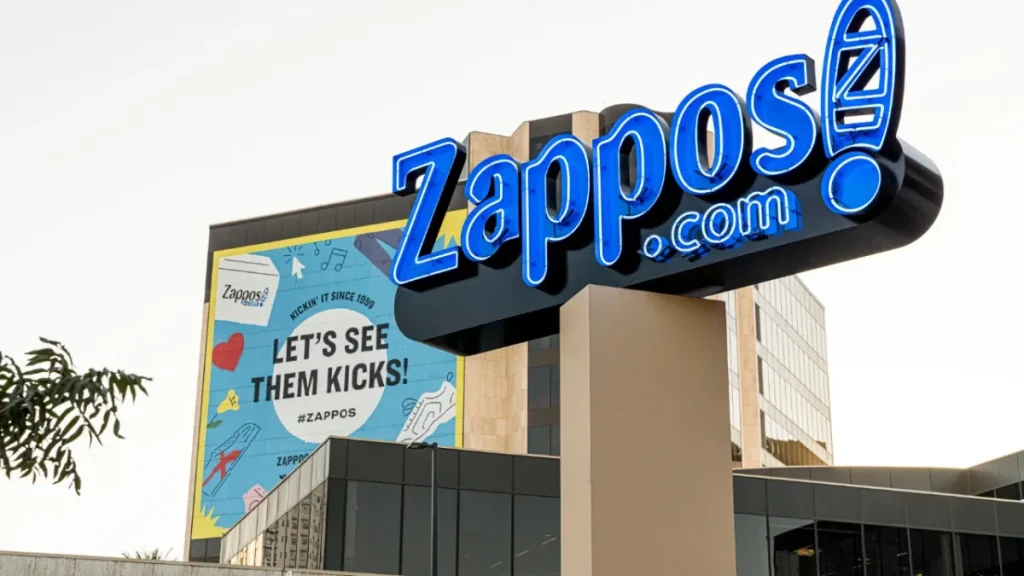
It is impossible to discuss legendary service without mentioning Zappos. Their entire operational model is a masterclass in building loyalty through unexpected generosity.
The classic story, one of many, involves a customer who could not return a pair of shoes because her mother had passed away.
The Zappos agent not only processed the return seamlessly, she also sent the customer a heartfelt condolence card and a fresh bouquet of flowers.
This was not in a script. This was a human being empowered to do the right thing, to connect on a emotional level far beyond the scope of a shoe return.
Their call center agents are not measured on how quickly they get off the phone, but on how effectively they create a personal connection.
There are stories of calls lasting over ten hours, of agents sending pizza to customers, of directing people to competitors when a product was out of stock.
This radical approach to service creates what I call a loyalty loop.
The customer is so astounded by the positive, human treatment that their loyalty to the brand becomes almost unshakable.
They do not just return to buy more, they become evangelical, telling everyone they know about the experience.
That is the ultimate return on investment.
2. Amazon’s Effortless Refunds

While Zappos, owned by Amazon, excels in emotional connection, Amazon itself has perfected the art of effortless resolution, particularly with its refund and return process.
For many items, especially for Prime members, the process is so streamlined it feels like magic.
You report an issue, a damaged item, a late delivery, and often without any question, a refund is issued or a replacement is sent immediately.
Sometimes you do not even have to return the original item.
This approach understands a key modern consumer truth, the greatest luxury is time and peace of mind.
By removing the friction, the arguments, the need to prove your case, Amazon builds immense trust. The customer feels believed and valued.
This policy preemptively solves the frustration that typically accompanies a problem, transforming a potentially negative experience into a powerful demonstration of reliability.
It is a cold, hard business decision that results in a surprisingly warm feeling of security for the customer.
They know that if anything goes wrong, the company has their back, no questions asked.
3. The Ritz Carlton Magic

The Ritz Carlton hotel chain operates on a principle that has become the stuff of legend in the service industry.
Every employee, from the maid to the concierge, is authorized to spend up to a substantial amount, thousands of dollars per guest per incident, to solve a problem or create a memorable moment without asking for a manager’s approval.
This is not just a policy, it is a culture of empowerment.
The stories are incredible. A business traveler forgetting a laptop charger in a conference room and having a brand new one delivered to their next destination by a hotel employee.
A child leaving a beloved stuffed animal behind, and the staff not only mailing it back but creating a photo book of the toy’s “vacation” at the hotel.
This “magic” is systematic. It is about granting frontline employees the autonomy to be heroes. They are trained to not just listen, but to anticipate needs and act decisively.
This transforms service from a reactive function to a proactive art form, creating stories that guests will talk about for years.
It is one of the best customer service examples because it is baked into the very identity of the brand.
4. Slack’s Proactive Helpfulness

In the world of B2B software, great customer service can feel rare. Slack, the collaboration platform, stands out for its proactive and genuinely helpful support.
It is not just about answering a ticket, it is about educating the user. When you contact Slack support, you are not met with robotic, copy pasted responses.
You get detailed, thoughtful answers that often include links to their extensive help documentation, screenshots with annotations, and suggestions for best practices you might not have considered.
What makes this one of the best customer service examples is its pedagogical nature. The support agents act like teachers, not just problem solvers.
They want to ensure you understand the platform so you can avoid similar issues in the future. Furthermore, they are known for their transparency.
If there is a platform wide issue, they are quick to communicate it, providing regular updates until it is resolved.
This builds immense trust with their user base, which consists of other businesses.
They understand that their service directly impacts their clients’ productivity, and they treat that responsibility with the seriousness it deserves.
5. Apple’s Genius Bar Clarity

The Apple Genius Bar is a physical manifestation of the company’s service philosophy.
It demystifies technology repair. You walk into a clean, well lit store, you have a scheduled appointment, and you sit face to face with a technician who diagnoses your device right in front of you.
The process is transparent, literally. You can see what they are doing, and they explain the issue in plain language, not technical jargon.
This model removes the fear and uncertainty that often accompanies tech repair. There is no back room where your device disappears for days.
You get a clear diagnosis, a fixed price for the repair, and a timeframe. Even when the news is bad, like the cost of a logic board replacement, the clarity is respectful.
The customer is treated as an intelligent partner in the process. This transparency builds a level of trust that allows Apple to command premium prices and maintain a fiercely loyal customer base.
The experience is consistent, predictable, and professional, which in the chaotic world of technology, is a tremendous comfort.
6. Lego’s Replacement Brilliance

Lego, a brand built on childhood joy, extends that ethos to its customer service in a beautifully simple way.
If a Lego set is missing a piece, or a piece is defective, the process to get a replacement is incredibly easy.
You go online, find the part, and they ship it to you for free, no questions asked.
There is no requirement to provide a receipt from a year ago, no long forms to fill out, just a straightforward solution.
This approach is genius because it understands the context.
A child who cannot finish building their new spaceship or castle because of a missing piece is heartbroken. Lego’s service is designed to prevent that heartbreak.
It is fast, it is free, and it is focused entirely on restoring the joy of the building experience.
This builds profound loyalty with both the child and the parent. The parent sees a company that stands by its product and makes things right without a fight.
The child just gets to keep playing. It is a perfect, human centered policy that turns a potential moment of frustration into a reaffirmation of the brand’s values.
7. USAA’s Empathetic Understanding
Serving military members and their families, USAA has built a reputation for perhaps the most empathetic customer service in the financial and insurance world.
Their agents are trained to understand the unique, often stressful circumstances of their clients’ lives. This is not a theoretical concept, it is practiced daily.
There are countless stories of USAA agents helping families navigate financial complexities after a loss, or assisting a member stationed overseas with a complex claim.
They are known for pausing payments, waiving fees, and going the extra mile for members deployed in combat zones.
The service feels less like a corporate interaction and more like a support system.
This deep, genuine empathy is possible because their service model is built around a specific community.
They know their customer, not just as a policy number, but as a person with a unique life and set of challenges.
This allows them to deliver context aware support that is truly unparalleled, making them a constant feature in any discussion of the best customer service examples.
8. Nordstrom’s No Questions Policy

Nordstrom’s return policy is the stuff of retail legend, a testament to unconditional trust.
While the stories of accepting returns of tires, which they have never sold, may be apocryphal, the spirit is accurate.
Their official policy is essentially to use best judgment to take care of the customer, with no time limit and no receipt required in many cases.
This creates an aura of complete risk free shopping. You know that if you buy something from Nordstrom and you change your mind, even years later, the company will likely make it right.
This policy is expensive, no doubt. But Nordstrom views it as a marketing cost.
The lifetime value of a customer who trusts you implicitly far outweighs the cost of the occasional fraudulent or unreasonable return.
It is a powerful signal to the market that Nordstrom stands behind every transaction, and more importantly, trusts its customers to be honest.
This mutual trust is a rare and powerful commodity in retail.
9. Disney’s Immersive Experience
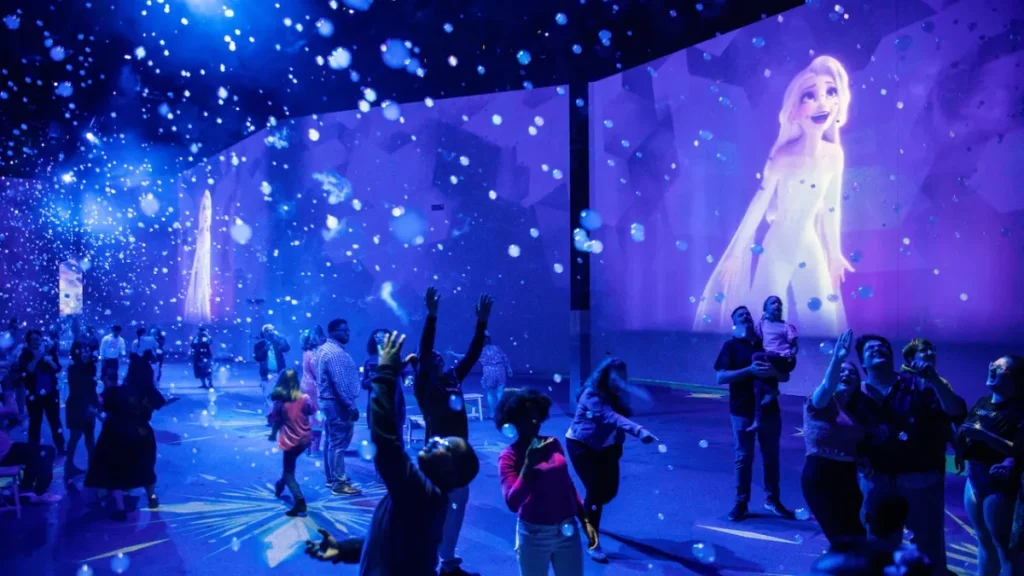
At Disney parks, customer service is not a function, it is part of the show.
Every “cast member,” from the ride operator to the street sweeper, is trained to be in character, to maintain the magic.
If a child drops their ice cream, a cast member will often appear with a new one. If you look lost, they will not just give directions, they will often walk you to your destination.
This attention to detail creates a seamless, immersive experience.
The service is designed to eliminate friction and amplify joy. It is proactive and anticipatory.
They understand they are not just selling theme park tickets, they are selling memories.
The way they handle a lost child, a rainy day, or a long line is all part of a meticulously crafted service blueprint.
This holistic approach ensures that the feeling of being in a magical place is never broken by a bad service interaction.
It is one of the best customer service examples because it is an environmental, all encompassing strategy.
10. Tesla’s Over The Air Fix

Tesla revolutionized automotive customer service with its over the air software updates. Imagine a time when a recall on your car meant scheduling an appointment, taking a day off work, and going to a dealership.
For Tesla, many issues, from improving battery range to adding new entertainment features, are solved while the owner sleeps.
The car connects to Wi Fi, downloads an update, and the problem is fixed or the car is objectively better the next morning.
This is a paradigm shift. It reframes service from a reactive, inconvenient necessity to a proactive, value adding feature.
It is customer service that does not feel like service at all, it feels like a free upgrade.
This builds a sense that the product you own is constantly evolving and improving, long after you drove it off the lot.
It dramatically reduces the hassle for the customer and the cost for the company.
This seamless use of technology to preempt problems and deliver continuous value is the future of service for connected products.
11. Chewy’s Heartfelt Handwritten Notes

In the competitive world of pet supply retail, Chewy has carved out a massive niche through unbelievably personal service.
They are famous for their handwritten holiday cards, their personalized follow up emails, and their incredibly empathetic response when a customer contacts them to cancel an order because their pet has passed away.
In these sad instances, agents are empowered to send the customer a heartfelt condolence card and a bouquet of flowers.
They will also often recommend that you donate the remaining food to a local shelter rather than returning it. This is not just good logistics, it is good humanity.
It shows they understand the profound bond between a person and their pet. For a company of their scale, the effort to maintain this level of personal touch is staggering.
But it works. It transforms them from a faceless e commerce platform into a company that genuinely cares about pets.
The emotional loyalty this generates is so powerful that customers will fiercely defend the brand and refuse to shop anywhere else.
12. Southwest’s Human Humor
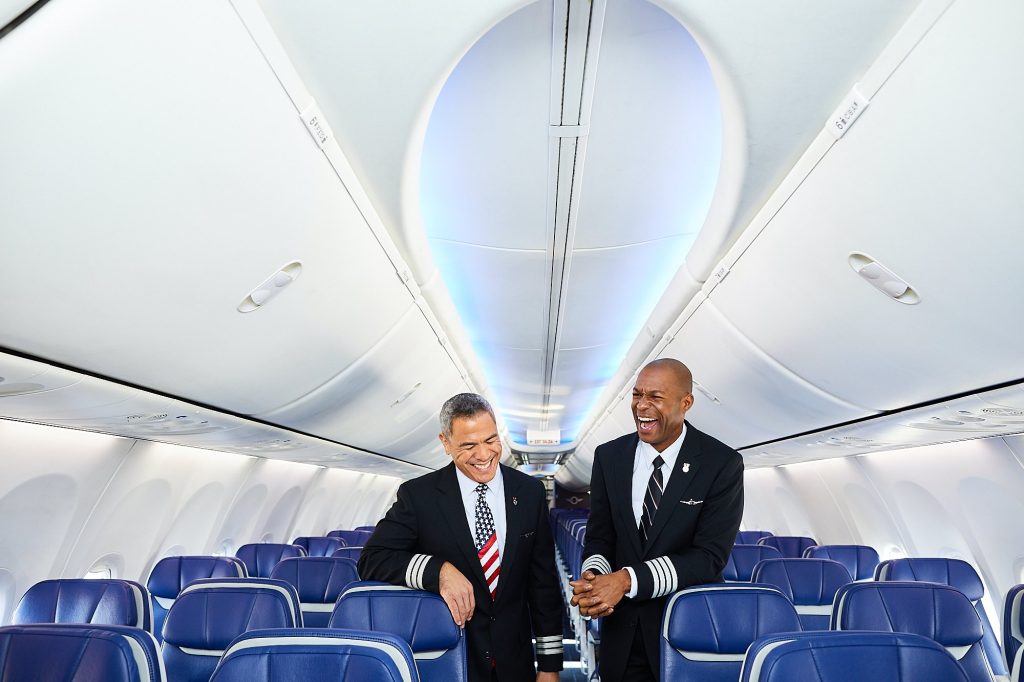
Southwest Airlines has built its brand on a culture of fun and personality. This is not a corporate mandate to “be wacky,” it is an authentic permission for employees to be themselves.
This comes through brilliantly in their customer service, most famously in their in flight safety announcements and pilot announcements, which are often hilarious, filled with puns and lighthearted jokes.
This humanizes the entire flying experience. It cuts through the stress and monotony of air travel.
When things go wrong, like a flight delay, this foundation of goodwill and human connection pays dividends.
Customers are more patient and understanding because they do not see the airline as a cold, uncorporation.
They see the friendly flight attendant who made them laugh or the gate agent who handled a stressful situation with grace and a smile.
This culture is set from the top down, with the company famously prioritizing hiring for attitude and training for skill.
Their service reminds us that business is, first and foremost, conducted between people.
Implementing The Magic

So how does a company, perhaps yours, begin to implement this level of service? It is not about copying one policy from Zappos or another from Disney.
It is about adopting a core philosophy. Start by truly empowering your frontline employees.
Give them the autonomy to solve problems without escalating every decision. Hire for empathy, not just for technical skill.
Look for people who genuinely want to help others.
Then, look at your customer journey map. Where are the points of friction, the moments of frustration?
Attack those not with bandaids, but with radical, customer centric solutions. Could you offer a no questions asked return policy on your core product?
Could you provide a proactive notification system when something goes wrong? Finally, measure the right things.
If you only measure call handle time, you will get agents who rush people off the phone.
Start measuring customer satisfaction, customer effort scores, and most importantly, customer loyalty and retention.
The best customer service examples in the world all share this common thread, they view service not as a cost center, but as their most effective marketing and loyalty engine.
The Human Connection
At the end of the day, behind every data point, every policy, and every software update, the core of legendary service is a human connection.
It is the feeling a customer gets when they are heard, understood, and valued. It is the surprise and delight of a solution that goes beyond the expected.
These best customer service examples are not about perfection, they are about intention.
The intention to treat every single customer interaction as the most important moment in your business, because for that customer, in that moment, it is.
When you get that right, you stop having customers and start having advocates.
You May Also Like:
- 25+ Best Customer Interaction Management Systems for 2025 | CIM
- Master CIM: What Is Customer Interaction Management in 13 Simple Steps?
- What Is A Customer Relationship Management System
Frequently Asked Question
What makes a customer service example truly great?
A great customer service example typically involves an element of surprise, genuine empathy, and a solution that goes far beyond the customer’s basic expectation.
It is not just about fixing a problem, it is about creating a positive, memorable emotional connection that builds unshakable loyalty.
How can I find more best customer service examples?
To find more best customer service examples, pay attention to your own experiences as a consumer.
Note which companies make you feel valued and why.
Follow business case studies and blogs focused on customer experience, and listen to stories your friends and colleagues share about brands they love.
Why is empowerment key to customer service?
Empowerment is critical because it allows frontline employees to act in the moment without bureaucracy.
When an agent does not have to ask a manager for permission to solve a simple problem or create a delightful moment, they can resolve issues faster and create more genuine, human connections with customers.
Can small businesses use these service examples?
Absolutely. Small businesses can, and often do, excel at this by being more agile and personal.
They can implement the principles behind these best customer service examples, like handwritten thank you notes, proactive problem solving, and empowering every team member to make the customer happy, without needing the budget of a large corporation.
What is the ROI of great customer service?
The return on investment for great customer service is immense.
It leads to higher customer retention, increased lifetime value, powerful word of mouth marketing, and reduced marketing costs to acquire new customers.
Loyal customers are less price sensitive and effectively become a free, and highly trusted, sales force for your brand.