



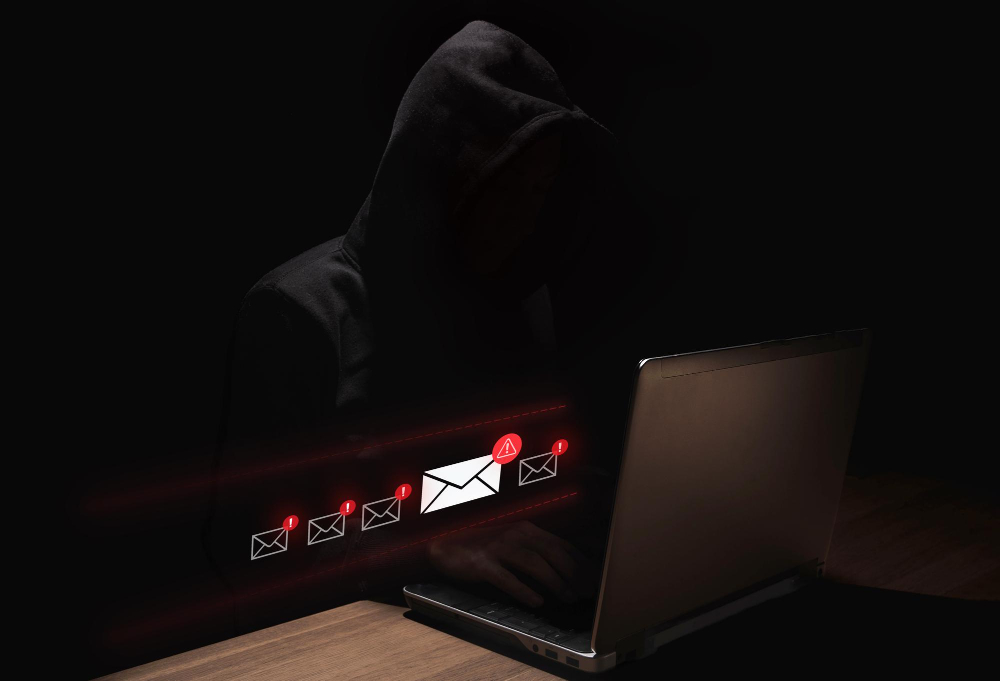
How to avoid phishing is fundamentally a matter of training your instincts to treat unsolicited digital communication with immediate suspicion.
- 1. The Skeptical Link Check
- 2. Verify Unexpected Requests
- 3. Deploy Multi Factor Authentication
- 4. Scrutinize the Sender Details
- 5. Managing Different Types of Phishing
- 6. Keep Software Patched and Updated
- 7. External Validation and Reporting
- 8. Handling Attachments
- 9. Social Media Phishing
- 10. The Psychological Defense
- You May Also Like:
- Frequently Asked Questions
Phishing is a form of social engineering where an attacker attempts to trick you into giving up sensitive information, usually credentials, by impersonating a trustworthy entity like your bank, your boss, or a major service provider.
The technical defense mechanisms, like spam filters and email gateways, are getting better, but the attackers are constantly adapting their psychological tactics.
They exploit urgency, panic, curiosity, or greed, targeting the weakest link in any security chain: the human user.
Your vigilance is the last and most critical layer of defense against these credential harvesting operations.
You must assume that any unexpected request for personal data is a hostile act until proven otherwise.
1. The Skeptical Link Check
Every single unexpected link you encounter, whether it’s in an email, a text message, or a random social media post, must be treated as toxic.
This is the central discipline of learning how to avoid phishing.
Before you click, you need to hover your mouse over the link, or long press it on your mobile device, to reveal the actual destination URL.
The displayed text might say “amazon dot com” but the underlying URL could be something completely different, maybe “amazon dot login dot biz”.
Look for subtle misspellings in the domain name. Attackers often use typosquatting, replacing an “o” with a zero, or an “l” with a one, making the address look deceptively legitimate.
The only part of the URL that truly matters is the top level domain, the part right before the first single forward slash.
If it doesn’t match the known, official domain of the sender, don’t click it.
If the email claims to be from Microsoft but the link points to “office365 login security alert dot co”, it is a malicious attempt to steal your credentials.
When in doubt, and I mean always when in doubt, do not click the link. Close the message and navigate directly to the official website yourself by typing the correct address into your browser.
This simple act of verification bypasses 99% of phishing attempts.
2. Verify Unexpected Requests
Attackers often initiate a phishing campaign by creating a sense of urgency or an unusual situation.
You get an email from the CEO asking you to immediately wire money to a new vendor, or a text from your bank saying your account has been locked due to suspicious activity.
These urgent, out of the ordinary requests are the psychological triggers meant to make you panic and skip verification.
Your immediate reaction should be to slow down, feel the sudden tension in your shoulders, and disengage from the panic.
The verification process is simple.
Do not reply to the suspicious email or call the number listed in the suspicious text.
Use a known, established communication channel to contact the sender.
If it’s a request from your boss, call them on their known office number or contact them via the company’s internal messaging system, not by replying to the suspicious email.
If it’s a bank alert, call the number listed on the back of your physical bank card, or log into the bank’s official app that you already have installed.
Legitimate institutions will never ask you for your full password, PIN, or sensitive multi factor codes via email or text.
Any message that demands you enter your credentials on an external site is a red flag, a bright, flashing indication of a phishing attempt, and a crucial point in learning how to avoid phishing.
3. Deploy Multi Factor Authentication
Multi factor authentication, or MFA, is the most robust technical defense against credential theft, which is the primary goal of phishing.
Even if an attacker successfully tricks you into typing your username and password into a fake login page, MFA means they still hit a wall.
They have the password, something you know, but they lack the second factor, something you have, like a temporary code generated by an app on your phone.
You must enable MFA on every critical service: email, financial accounts, social media, and any work systems that allow it.
The best form of MFA is generally not SMS based codes, as SMS can be intercepted through SIM swap attacks.
The most secure methods involve dedicated authenticator apps, like Authy or Google Authenticator, or physical security keys, like a Yubikey.
The physical key is the hardest for an attacker to bypass because it verifies the legitimate website domain before providing the code.
By deploying MFA across your digital life, you drastically reduce the chance that a successful phishing attempt will lead to a catastrophic account takeover.
It is the necessary insurance policy for the human failure inherent in phishing susceptibility.
4. Scrutinize the Sender Details
Phishing attackers spend significant effort making the email look legitimate, but they often slip up on the actual technical sender details.
First, check the sender’s full email address, not just the display name.
The display name might say “Microsoft Support” but the actual email address might be “support at mailer dot generic dot com”.
If the domain name after the “@” symbol does not match the known official company domain, it is fake.
Also, be aware of spoofing, where the attacker makes the email address look exactly correct.
This requires deeper scrutiny.
If you are using a corporate email system, look for banners or warnings that say the email originated from an external source, even if the sender name is a colleague or executive.
Many advanced email gateways insert these warnings specifically to flag spoofed internal emails.
If the email contains poor grammar, awkward phrasing, or unusual regional language for the company it is claiming to represent, these are also strong indicators of a malicious origin.
These little errors often remain because the attackers are not native speakers of the target language, or they are using machine translation tools.
These subtle inconsistencies are critical indicators in determining how to avoid phishing effectively.
5. Managing Different Types of Phishing
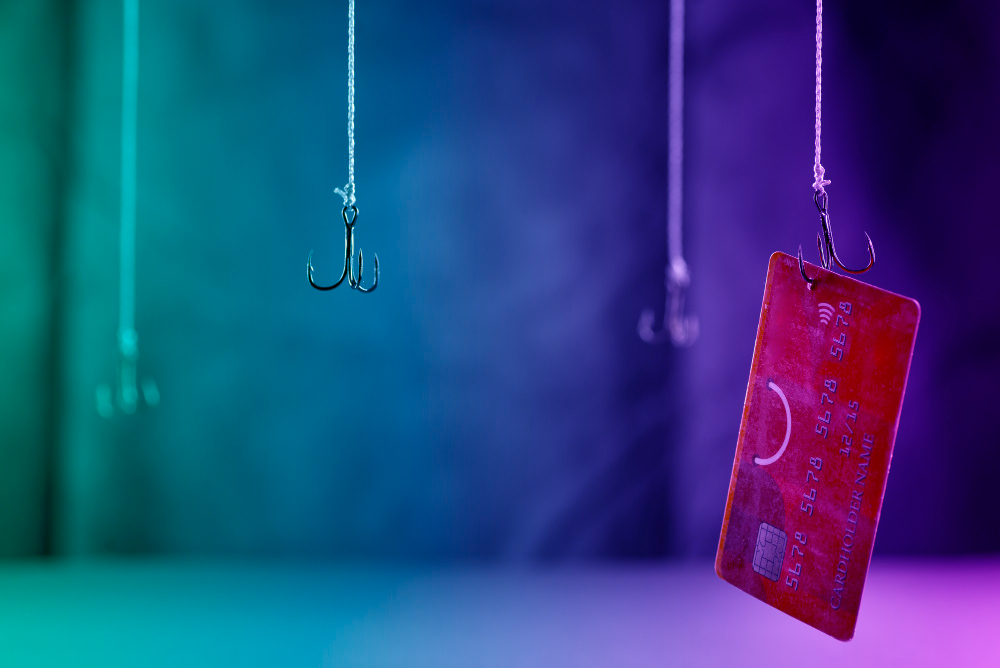
Phishing has evolved beyond just generic emails to include highly targeted attacks across various platforms.
Spear Phishing is a targeted attack aimed at a specific individual, using information gleaned from public sources, like LinkedIn or social media, to make the message extremely convincing and personalized.
If an email references a recent project or a specific colleague, that is spear phishing, and you should be even more suspicious.
Whaling is phishing targeted specifically at senior executives, attempting to trick them into large financial transfers.
Smishing is phishing via SMS text message. These often contain short links, making verification difficult, and exploit the informality of text communication.
Never click links in unexpected text messages that claim to be from the IRS, your phone carrier, or a package delivery service.
When you receive these targeted communications, the countermeasure is always the same: do not use the communication channel they are providing. Verify the request through a completely separate, trusted means.
This constant adaptation by attackers means your knowledge of how to avoid phishing must also adapt to the different mediums they use.
6. Keep Software Patched and Updated
Your operating system and browser act as gatekeepers, providing technical protection against malicious scripts and phishing sites.
Browsers like Chrome, Firefox, and Edge maintain lists of known malicious and phishing sites.
If you accidentally click a bad link, the browser’s built in safety features can sometimes intercept the connection, display a warning, and prevent your credentials from being transmitted.
But these features only work if the software is constantly updated.
Security updates fix vulnerabilities in the browser itself that attackers could exploit.
Enable automatic updates for your browser and your operating system immediately.
This is a defensive hygiene point that is often overlooked.
An old, unpatched version of Firefox or an outdated version of Windows or macOS is running on vulnerable code that is widely known to attackers.
The patches are essentially bandages for newly discovered wounds; you have to apply them immediately to ensure your technical defenses are current and effective.
This is a passive but absolutely essential layer of protection for anyone concerned with how to avoid phishing successfully.
7. External Validation and Reporting
You should understand that phishing is a problem far larger than your inbox, and there are authoritative resources that track and publish information about current campaigns.
The Anti Phishing Working Group, or APWG, is an international coalition that studies and publishes reports on phishing trends, including the types of entities being targeted and the new psychological tricks being used. Looking at their published data confirms that the volume and complexity of these attacks is not decreasing.
You are not alone in receiving these messages.
If you receive a phishing email targeting your workplace, you must report it immediately to your company’s IT or security department.
They can analyze the email’s headers, block the malicious sender domain, and warn other employees who may have received the same message.
If the email targets a service like Gmail or Outlook, use the built in function to report the message as phishing.
This act of reporting helps train the massive email filters to recognize and block the malicious templates, protecting the community as a whole.
Being proactive and reporting these attempts is a fundamental part of the security ecosystem.
8. Handling Attachments
Any attachment in an unsolicited or suspicious email, even if it appears to come from a known sender, should be treated as extremely high risk.
Phishing isn’t only about stealing credentials; it is also a common vector for deploying ransomware and other forms of malware.
The attachment might be disguised as an invoice, a policy document, or a flight itinerary, but it could contain a malicious payload.
If you are not expecting the file, do not open it.
Be especially wary of common executable or scriptable file types: .zip, .exe, .js, .vbs.
Even common office documents like .docx or .pdf can contain malicious macros or embedded code designed to execute when you open the file.
If you must open an unexpected file for work, use a sandbox environment, or ask your IT team to scan it first.
Your default response to an unexpected attachment needs to be fear, followed by careful, manual verification before taking any action.
9. Social Media Phishing
The threat isn’t confined to email. Attackers frequently use social media platforms for targeted phishing.
You might receive a direct message from a friend whose account has already been compromised, asking you to click a link to vote in a contest or view an embarrassing photo.
Since the message comes from a trusted friend, your guard is naturally down, and that is exactly what the attacker is counting on.
Again, the defense is behavioral: if a message from a friend seems unusual, out of character, or contains an unsolicited link, contact that friend through a separate channel, like a phone call, to verify that they actually sent the message.
The same rules apply to links in sponsored posts or DMs from official looking but generic accounts claiming you’ve won a prize.
If it sounds too good to be true, it is, and clicking that link is a fast track to compromising your account.
Maintaining a skeptical perimeter around your social media interactions is as important as guarding your inbox for effective how to avoid phishing practices.
10. The Psychological Defense
The effectiveness of phishing boils down to manipulating human emotions.
Attackers often employ one of these four psychological levers:
- Urgency: “Your account will be suspended in 24 hours.” This forces a quick, unthinking response.
- Authority: “This is the VP of Finance.” This makes you less likely to question the request.
- Curiosity: “Check out this crazy picture of you.” This exploits our natural impulse to look.
- Fear: “We detected malware on your network.” This triggers panic and compliance.
Your security posture should include an internal warning light that flashes whenever you feel one of these emotions triggered by an unexpected digital message.
When you feel that tightness in your chest or that impulse to act immediately, stop.
The decision to click or not click needs to be an analytical one, not an emotional one.
Taking a deep breath, stepping away from the screen for sixty seconds, and applying the verification steps is the best psychological tool you have to protect yourself.
You May Also Like:
- How to Protect Your Phone From Being Hacked
- AVG Antivirus Review 2026 – Features, Pricing & Verdict
- Malwarebytes Review 2026 – Features, Pricing & Verdict
- Bitdefender Mac Review 2026 – Features, Pricing & Verdict
Frequently Asked Questions
What is the most common phishing attack?
The most common phishing attack remains the generic email that impersonates a major, widely used company, such as a bank, a credit card company, or a social media platform. These emails typically warn of an urgent account problem and request that the user click a link to “verify” or “update” their login credentials.
How do I know if an email link is safe?
To determine if an email link is safe, you must hover your mouse over it without clicking. This action reveals the true destination URL in the corner of your screen. If the displayed domain name does not match the known, official domain of the sender, the link is not safe and should be avoided immediately.
What is the purpose of a phishing scam?
The primary purpose of a phishing scam is to steal sensitive information, overwhelmingly login credentials for email, bank accounts, or corporate systems. Once the attacker has the credentials, they can perform identity theft, financial fraud, or deploy malware within a corporate network.
Is MFA enough to avoid phishing?
MFA, or Multi Factor Authentication, is not enough to completely avoid phishing, but it is the most effective technical defense against the success of a phishing attack. It ensures that even if an attacker steals your password, they are blocked from logging in because they lack the required second factor, such as a temporary code or security key.
Should I report a phishing attempt?
Yes, you should always report a phishing attempt to your email provider or your organization’s IT security team. Reporting these attempts helps train email filters to identify and block the malicious patterns and templates, protecting other users from the same targeted attack.