





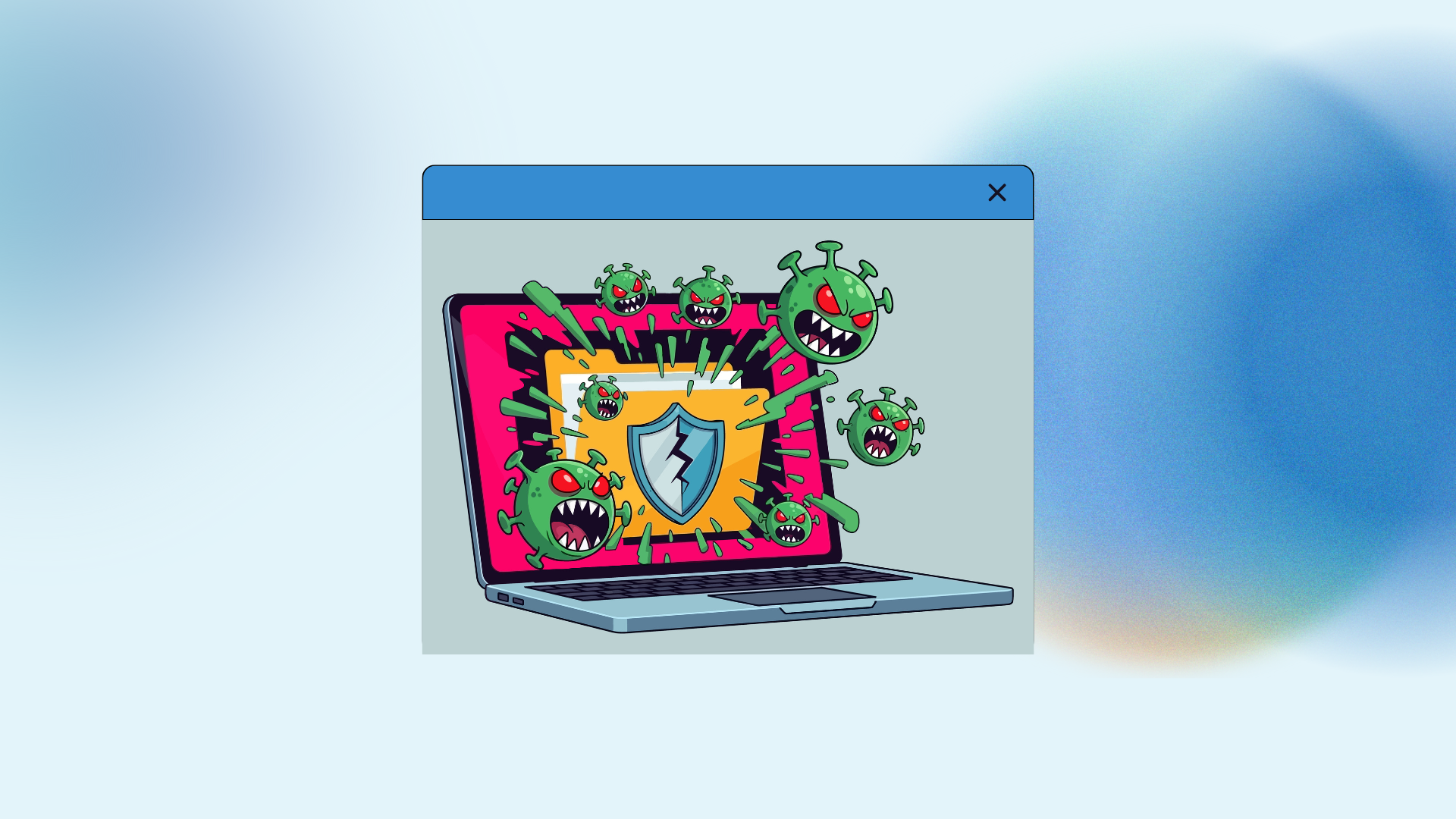
Check laptop for viruses every single time you notice your machine acting sluggish or behaving in ways you cannot explain.
- 1. Monitor System Performance
- 2. Use Built In Tools
- 3. Run Offline Scans
- 4. Inspect Startup Programs
- 5. Scan Browser Extensions
- 6. Check Network Activity
- 7. Use Third Party Scanners
- 8. Examine System Files
- 9. Analyze Hidden Folders
- 10. Verify Safe Mode
- Understanding Common Symptoms
- Professional Cleaning Steps
- Manual Registry Inspection
- Protecting Your Identity
- Managing External Drives
- Dealing With Ransomware
- Router And Network Security
- Importance Of Regular Updates
- You May Also Like:
- Frequently Asked Questions
It is common to ignore a slow startup or a loud fan, but these are often the first signs that something is wrong.
You must check laptop for viruses to ensure your personal data and banking information remain secure from outside threats.
Most people do not check laptop for viruses until it is too late and their files are already locked or deleted.
Taking the time to check laptop for viruses now will save you hours of frustration and potential financial loss later.
This process is straightforward if you know which tools to use and which system areas to monitor.
1. Monitor System Performance
One of the first things to do when you check laptop for viruses is to look at how your hardware is behaving.
If your laptop fan is spinning at maximum speed while you are just looking at a blank desktop, you need to check laptop for viruses.
High CPU usage or sudden spikes in memory consumption often point to malicious background processes.
Open your system monitor tool to see what is eating your resources. On Windows, you use the task manager by pressing control, shift, and escape together.
On a Mac, you use the activity monitor found in the utilities folder. Look for names that look like random strings of letters and numbers.
If a process is using 90 percent of your processor and you do not recognize the name, you should check laptop for viruses immediately.
Malware often masquerades as system processes, so look for duplicates. If you see two versions of a system file and one is using massive amounts of data, use that as a reason to check laptop for viruses.
2. Use Built In Tools
Windows and macOS both include powerful software designed to check laptop for viruses without needing extra downloads.
Windows Security is the default choice for most users. You can find it by typing security into the search bar. Select the option for virus and threat protection.
Click on the quick scan button to check laptop for viruses in the most common folders. For a more thorough investigation, select the full scan option.
This will check every single file on your hard drive. It takes longer but it is the most reliable way to check laptop for viruses using native tools.
On a Mac, Apple uses a system called XProtect. It works in the background and does not have a big scan button like Windows.
However, you can still check laptop for viruses on Mac by using the software update tool. Apple pushes virus definitions through these updates.
Ensuring your OS is current is a passive way to check laptop for viruses.
3. Run Offline Scans
Sometimes malware is so advanced that it hides while the operating system is running. In these cases, you must check laptop for viruses using an offline scan.
Windows Security has a specific feature called Microsoft Defender Offline scan. When you choose this, your laptop will restart into a special environment.
This environment runs before the main operating system loads. Because the virus is not active in this mode, it cannot hide its files.
This is a very powerful way to check laptop for viruses that are stubborn. The scan usually takes about 15 minutes.
Your laptop will reboot once it finishes the process. If you have a Mac, you can boot into recovery mode to check laptop for viruses or repair disk issues.
Pressing the power button and holding it or using command and R during boot will get you there. Using these pre boot environments is the professional way to check laptop for viruses.+1
4. Inspect Startup Programs
Many threats stay on your machine by launching themselves every time you turn the computer on. You need to check laptop for viruses by looking at your startup list.
In Windows, go back to the task manager and click the startup tab. Look for any application that has an unknown publisher. If you see a program called something like update.exe but it has no icon and no description, you must check laptop for viruses.
Disable any suspicious items by right clicking them. On a Mac, go to system settings and then to general and login items.
Check the list of apps that are allowed to run in the background. If you see something you did not install, it is time to check laptop for viruses.
Removing these items prevents the malware from restarting after you delete it. Checking this list regularly is a great habit for maintaining speed.
5. Scan Browser Extensions
Web browsers are often the entry point for modern infections. You should check laptop for viruses by looking at your Chrome, Firefox, or Safari extensions.
Adware often hides as a helpful tool like a price tracker or a PDF converter. If your browser keeps redirecting you to weird search engines, you must check laptop for viruses.
Go to the extensions menu in your browser settings. Remove anything you do not remember installing yourself.
Even legitimate extensions can be sold to developers who turn them into malware. After removing the extensions, clear your browser cache and cookies.
This is a vital step to check laptop for viruses that live in your web data. Many people forget that the browser is a separate environment that needs its own security check.
6. Check Network Activity
Viruses often communicate with a home server to send your data away or receive commands. To check laptop for viruses, you can look at your network usage.
Open the resource monitor on Windows and click the network tab. Look for processes that are sending large amounts of data to IP addresses you do not recognize.
If your laptop is uploading gigabytes of data while you are not using it, you need to check laptop for viruses. You can also check your router logs if you are technically inclined.
A laptop that is constantly pinging a server in a different country might be part of a botnet. Use this information as a prompt to check laptop for viruses with a deep scan.
Unexplained network traffic is a massive red flag. It usually means the infection is active and currently stealing your information.
7. Use Third Party Scanners
While built in tools are good, sometimes you need a second opinion to check laptop for viruses. There are many reputable scanners that do not require a full installation.
Portable scanners are great because they do not interfere with your existing antivirus. Download a tool like Malwarebytes or Emsisoft to check laptop for viruses.
These tools often have different databases than Microsoft or Apple. They might find a newer threat that the default system missed.
Always download these tools from the official website. Never click on an ad that tells you your computer is infected.
Those ads are usually the viruses themselves. Using a dedicated malware remover is a smart way to check laptop for viruses if you suspect a deep infection.
8. Examine System Files
Malware loves to modify your host files or registry entries to redirect your internet traffic. You should check laptop for viruses by looking at your hosts file.
On Windows, this is found in the drivers etc folder inside system32. Open it with notepad. If you see many lines of text at the bottom pointing to strange web addresses, you must check laptop for viruses.
A clean hosts file should be mostly empty or only have a few local addresses. On a Mac, you can check this through the terminal.
Additionally, check your DNS settings in your network preferences. If your DNS has been changed to an unknown IP, it is a sign you need to check laptop for viruses.
Hackers use these tricks to send you to fake versions of websites like Facebook or your bank.
9. Analyze Hidden Folders
Many viruses hide their core files in temporary folders or AppData. To check laptop for viruses thoroughly, you need to show hidden files in your file explorer.
Navigate to your user folder and look in the local app data folder. Look for folders with random names like xf82ksd.
If you find an executable file inside one of these weird folders, you should check laptop for viruses. Delete your temporary files regularly to remove these hiding spots.
You can use the disk cleanup tool in Windows to do this safely. On Mac, you can check the library folders for suspicious launch agents.
These are the places where malware hides to stay persistent. Checking these spots manually is a very effective way to check laptop for viruses.+1
10. Verify Safe Mode
If you find that your laptop is crashing every time you try to run a scan, use safe mode. Safe mode loads only the bare essentials of the operating system.
It is the best environment to check laptop for viruses because most malware cannot start in safe mode. Once in safe mode, run your antivirus software again.
It will be much more effective at deleting files because they are not currently in use by the CPU. If the scan finds nothing in safe mode but your laptop is still slow in normal mode, you might have a driver issue.
However, usually, this is the final step to check laptop for viruses and clean them out for good. Always remember to restart your laptop normally after the cleaning is done.
Understanding Common Symptoms
When you check laptop for viruses you might wonder what exactly to look for. Physical signs are usually the most obvious indicators of a problem.
Your laptop might get very hot even when it is just sitting on a desk. This happens because a virus is running complex tasks like mining cryptocurrency in the background.
If you notice your battery life has dropped from six hours to two hours suddenly, you should check laptop for viruses. Software symptoms are also very common and hard to miss. Programs might close for no reason or refuse to open at all.
You might see icons on your desktop that you did not put there. Sometimes your search engine in your browser changes from Google to something you have never heard of.
These are all reasons to check laptop for viruses. Another major sign is the appearance of popup windows that look like system warnings.
If these warnings ask you to call a phone number or pay a fine, do not do it. Close the window and immediately check laptop for viruses. The more you know about these signs, the faster you can react.
Professional Cleaning Steps
Once you check laptop for viruses and find something, you have to remove it properly. Simply deleting the file you found is often not enough.
Viruses often drop multiple files across different folders. Use a dedicated removal tool after you check laptop for viruses.
Let the software do the work of searching the registry and system folders. After the removal, you should always change your passwords.
Assume that any password you typed while the virus was active is now known by hackers. This includes your email, social media, and especially your bank accounts.
Checking your account statements for weird charges is another way to check laptop for viruses impact. If you find that the infection is too deep, you might need to reset your laptop to factory settings.
This is a nuclear option, but it is the only 100 percent guaranteed way to be clean. Always back up your photos and documents before doing a reset.
However, do not back up your programs because they might contain the virus.
Manual Registry Inspection
For those who are more comfortable with computers, the registry is a key place to check laptop for viruses.
The registry is a database that stores settings for everything on your Windows machine. Malware often adds keys to the Run or RunOnce folders.
You can find these by typing regedit into the search bar. Navigate to the HKEY current user and HKEY local machine folders.
Look for the software and Microsoft and Windows and current version folders. Inside the Run folder, look for any data path that points to a temporary folder.
If a startup item is launching from your temp directory, you definitely need to check laptop for viruses.
Be very careful in the registry because deleting the wrong thing can break your laptop. If you are unsure, just stick to using automated tools to check laptop for viruses.
But for a professional, the registry is where the real truth is hidden.
Protecting Your Identity
The primary reason people check laptop for viruses is to protect their identity. Modern viruses are rarely just about destroying your computer.
They want to steal your cookies so they can log into your accounts without a password. They use keyloggers to record every single button you press.
When you check laptop for viruses you are essentially checking if a thief is watching you. If you find a keylogger, you must act fast.
Use a different device to change your passwords while you clean the infected laptop. Do not use the infected laptop to search for help with the virus.
The virus can see your searches and might block certain websites that offer security tools. This is why having a smartphone or another PC is helpful when you check laptop for viruses.
Keep your recovery codes for two factor authentication in a safe physical place. This ensures you can get back into your accounts even if the virus locks you out.
Managing External Drives
Sometimes you check laptop for viruses and find that they came from a USB stick or an external hard drive.
Worms are a type of virus that spreads through physical connections. If you plug in a friend’s USB drive, your computer might get infected instantly.
You should check laptop for viruses every time you use an external device from an untrusted source. Most antivirus programs will ask if you want to scan a new drive when you plug it in.
Always say yes. If you find a virus on the drive, clean it before opening any folders. If you do not, the virus might copy itself to your main drive.
Then you will have to check laptop for viruses all over again. This is a very common way for infections to spread in offices and schools.
Always keep your own drives encrypted and scan them regularly.
Dealing With Ransomware
Ransomware is the most dangerous thing you might find when you check laptop for viruses. This is malware that encrypts your files and demands money to get them back.
If you see a screen telling you your files are locked, do not pay the ransom. Paying only encourages the hackers and there is no guarantee you will get your files back.
Disconnect your laptop from the internet immediately to stop the encryption process. Then use a clean computer to look for decryption tools from reputable security companies.
Sometimes you can check laptop for viruses and find that the ransomware is an older version that has been cracked. If not, your only hope is a recent backup.
This highlights why checking your laptop for viruses is only half the battle. The other half is having a solid backup strategy.
Always keep a copy of your important files on a drive that is not constantly plugged into your laptop.
Router And Network Security
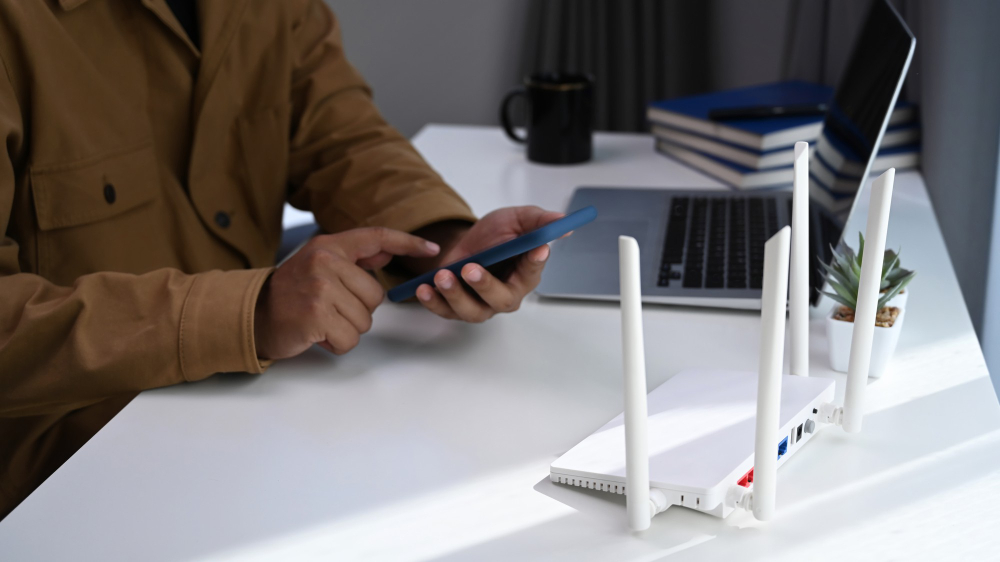
Your local network can also be a source of trouble. If you check laptop for viruses and keep finding them, your router might be compromised.
Hackers can change the DNS settings on your router to affect every device in your house. This means even if you check laptop for viruses and clean it, you will get reinfected as soon as you go online.
Check your router settings by typing its IP address into your browser. Ensure the firmware is updated and the password is not the default one.
A secure network makes it much easier to keep your laptop clean. If you use public wifi at a coffee shop, always use a VPN.
Public networks are prime spots for hackers to try and push malware to your machine. Being careful about where you connect is just as important as how you check laptop for viruses.+1
Importance Of Regular Updates
The easiest way to avoid having to check laptop for viruses constantly is to keep everything updated. Software developers find security holes every day.
When they find one, they release a patch. If you do not install that patch, your laptop is vulnerable to a known threat.
Windows and Mac updates often include definitions that help the system check laptop for viruses automatically.
This applies to your apps too. Old versions of PDF readers or media players are famous for having security flaws. Set your system to update automatically overnight.
This way you are always protected by the latest security research. Most modern infections target people who are running outdated versions of software.
By staying current, you make your laptop a much harder target.
You May Also Like:
- How to Boost Internet Speed on PC for Better Performance
- How to Scan Mac for Malware in Simple Secure Steps
- How to Scan for Viruses on Android and Avoid Future Security Risks
- How Good Is Windows Defender and Why Many Users Trust It
Frequently Asked Questions
How often should I scan?
You should check laptop for viruses at least once a week. A full scan is better than a quick scan because it looks at every file. If you download a lot of files or visit many different websites, you might want to check laptop for viruses more often. Most security software allows you to schedule these scans for times when you are not using the computer.
Will a virus scan slow me down?
Yes, when you check laptop for viruses the system uses a lot of processing power. This is because the software is opening and reading every single file on your drive. It is best to check laptop for viruses when you are taking a break or finishing work for the day. Modern computers handle this better than old ones, but you will still notice some lag.
Can a virus survive a factory reset?
In very rare cases, yes, some advanced threats can hide in the BIOS or firmware. However, for 99 percent of users, a factory reset is the final way to check laptop for viruses and remove them. A reset wipes the entire operating system and replaces it with a clean version. Just make sure you do not bring the virus back by restoring a bad backup.
Is free antivirus software good enough?
Free tools are often very good for a basic check laptop for viruses. Windows Security is actually one of the best tools available today and it is free. However, paid versions often offer better real time protection and extra features like identity theft monitoring. For a simple way to check laptop for viruses, the free tools are usually sufficient.
What if the scan finds nothing?
If you check laptop for viruses and the result is clean but your laptop is still slow, check your hardware. A failing hard drive or an overheating CPU can mimic the signs of a virus. Also check for too many startup programs or low disk space. Sometimes the problem is just a bloated operating system that needs a clean up rather than a virus removal.