





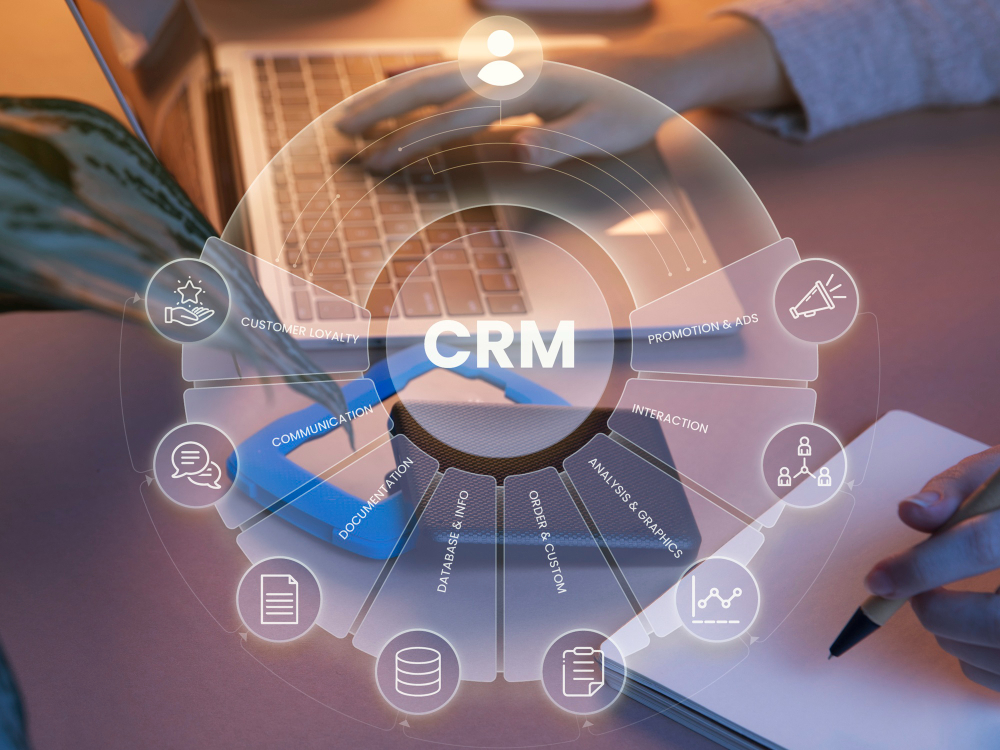
How to use customer relationship management is becoming a crucial skill for teams that need real control of clients, service and daily follow up.
The topic sounds technical, but in practice it is about creating a clean system that keeps your customer world stable.
When you understand how to use customer relationship management in the right way, the work feels lighter, the team gets aligned and the results show up faster.
The goal here is to walk through each step with practical reasoning, straight talk and a pace that feels real, like someone explaining what actually works after years of trial and error.
1. What CRM Does

A CRM organizes information, centralizes contacts and gives you a steady flow to manage clients without losing details.
When you see how to use customer relationship management in its full capacity, you understand that the software becomes the place where everything starts, from the first interaction to the last sale.
It logs calls, stores tasks, shows who is doing what and keeps the client context visible.
This prevents confusion, silence between teams and missing steps that cost money.
In my experience, working with large teams and smaller ones, the CRM becomes almost like a shared memory. You open it, and you immediately feel the pulse of the business.
Once people adopt it, communication improves and the entire customer cycle becomes smoother.
Companies like Salesforce highlight how CRM boosts productivity and increases transparency across departments, and that aligns well with what I have seen on the ground in projects where the tool became a daily habit.
3. Setting Up CRM
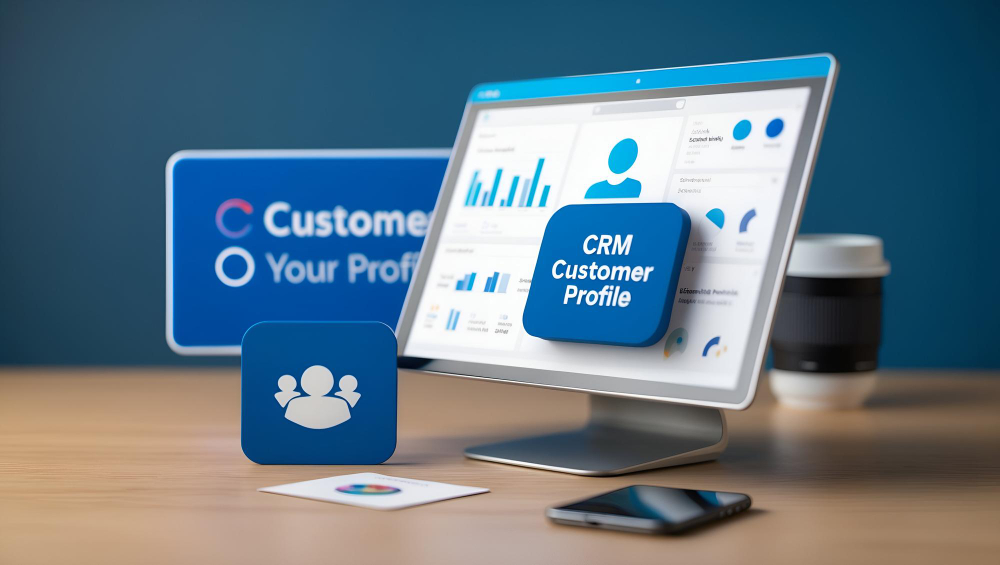
This stage often defines everything that comes later.
When you decide how to use customer relationship management the right way, you start with proper setup.
The clean base creates consistency, and that consistency becomes discipline.
There are three essential steps here:
- Create clear fields for customer details
- Set pipeline stages that match your business reality
- Establish rules for who adds what information
I have helped teams set up CRMs where people rushed the configuration.
Later, they struggled with duplicated fields, mixed terms and confused data.
A good setup saves time and helps everyone feel grounded.
When configuring, it is important to think of daily use. Imagine someone new joining the team.
Would they understand your stages, tags and categories without explanation This is the baseline for a functional system.
And when you think about how to use customer relationship management intentionally, these early decisions guide everything else.
3. Managing Customer Data

You cannot talk about how to use customer relationship management effectively without dealing with data hygiene.
Clean data gives you clarity. Dirty data hides opportunities and creates stress.
Managing customer data demands small habits. Details entered in real time.
Notes added during calls. Updating statuses while the information is still fresh. These little moments create accuracy.
A few practices make the biggest difference:
- Enter full names and correct contact details
- Add context to every interaction
- Update sales stages every time the situation changes
- Add reminders to prevent silent periods
People often forget that the CRM is not only a tool, but also a reflection of discipline. When data is clean, the team moves faster.
And when you look at how to use customer relationship management daily, the quality of information defines how confident your decisions become.
4. Daily CRM Use

Using the CRM every day creates rhythm. When the day starts, opening the CRM should feel natural, like checking messages or preparing a coffee.
If you want to master how to use customer relationship management for real growth, the daily habit is non negotiable.
The rhythm usually follows a pattern:
- Review tasks
- Check customer updates
- Add new notes
- Adjust follow up dates
- Send internal messages through the system
Some people wait until the end of the day to log everything.
But the truth is that real time logging works much better. The mind forgets details. The CRM does not.
Daily use also prevents overload. If you let information accumulate for days, the CRM becomes a task you avoid.
But small updates throughout the day make the tool feel alive and manageable.
This is something many managers do not say, but the small habits matter more than the big ones.
5. Tracking Sales

Sales teams depend heavily on clarity. And clarity comes from structured tracking.
When you analyze how to use customer relationship management in sales, you realize the CRM becomes the map that shows where each deal stands, who needs attention and which opportunities require urgency.
Each deal moves through stages. These stages must match your real sales cycle.
Not some ideal model. When they reflect your daily operations, the pipeline becomes a true guide, not a decoration.
Tracking sales also helps leaders spot patterns. Deals that stay too long in one stage.
Lost leads without follow up. Salespeople with good activity but low conversions. The CRM shows these signals.
One detail I always observe, the CRM reduces pressure when used correctly.
Instead of guessing what deals exist or searching for scattered messages, everything sits in one timeline.
When teaching teams how to use customer relationship management, the biggest breakthrough often comes when they see this timeline working in real time.
6. Improving Service

Customer service benefits a lot from an organized CRM. When the team knows how to use customer relationship management to track issues, the client feels that the company is present and attentive.
Good service inside a CRM follows simple steps:
- Log every complaint or request
- Assign the correct person
- Add due dates
- Mark progress
- Close the loop with the customer
This flow sounds obvious, but many companies fail because they do it halfway.
They log requests but forget to update. They update but forget to notify. They notify but forget to close.
A CRM helps avoid these gaps. It acts like a reminder system that leaves no ticket behind.
And when service teams adopt it fully, response time improves and client trust grows.
In my own consulting projects, the biggest jump in customer satisfaction often appears after CRM adoption becomes disciplined.
8. Automating Tasks

Automation removes repetitive actions and frees time.
Learning how to use customer relationship management automation in a balanced way makes your workflow smooth without feeling robotic.
Useful automations include:
- Email follow up sequences
- Task creation when a stage changes
- Notifications for inactivity
- Tagging based on behavior
Automation is not about replacing people. It is about reducing friction.
Nobody wants to spend the day adding the same reminders or sending the same emails. Automations take care of that.
But there is a nuance. Too many automations confuse the team.
They add noise instead of clarity. The key is to automate only the steps that help the user avoid manual repetition.
That balance makes the system feel helpful instead of overwhelming.
8. Team Collaboration

A CRM becomes powerful when the team collaborates inside it. Learning how to use customer relationship management for teamwork creates a shared truth. Instead of scattered chats, emails and informal notes, everything stays visible.
The system connects tasks, comments, files and customer history.
When a colleague needs context, they open the record and see the entire journey.
No waiting for messages or checking old emails.
This helps when someone is on vacation or unavailable. The workflow continues without interruption.
Collaboration also creates accountability. Tasks assigned to someone become visible. Delays become visible. Progress becomes visible.
This level of transparency can feel uncomfortable at first, but it makes the team stronger.
Everyone learns to communicate through the system in a natural way that reduces misunderstandings.
9. Measuring Results

If you want to master how to use customer relationship management for growth, measuring results is essential.
The CRM shows key numbers like:
- Activities completed
- Sales conversions
- Response time
- Customer lifetime value
- Re engagement rates
These metrics tell you what is working and what needs attention. A CRM without measurement is only an address book. A CRM with metrics becomes a management tool.
The important part is reviewing data weekly. Not once a year. Short cycles help teams correct issues before they become big problems.
For example, if the conversion rate falls, you catch the pattern early.
If response time increases, you adjust resources. When teams take advantage of these insights, the CRM becomes a strategic instrument.
10. Common Mistakes

When learning how to use customer relationship management, people often fall into predictable mistakes.
These mistakes block growth and make the system feel harder than it really is.
The most common pitfalls include:
- Not updating the CRM daily
- Adding incomplete customer details
- Using too many custom fields
- Ignoring automation
- Not reviewing metrics
- Letting data accumulate without correction
What I have seen across companies is that these mistakes usually come from lack of habit, not lack of skill.
Once the daily routine stabilizes, the CRM becomes easier to maintain. It feels natural, almost automatic.
11. Final Notes

Using a CRM is more about discipline than technology.
When people understand how to use customer relationship management with intention, the software turns into a central nervous system for the company.
It organizes, remembers and connects everything that matters.
Every business, from startups to large organizations, benefits from this clarity.
A CRM reduces noise, increases focus and gives people space to think.
With consistent use, the system becomes a reliable partner that supports decisions and keeps the customer cycle healthy.
You May Also Like:
- What Is A Customer Relationship Management System
- The Ultimate 10 Best CRM for Real Estate Investors in 2025
- The Ultimate 10 Best CRM for Financial Advisors in 2025
Frequently Asked Question
How CRM helps daily work
A CRM keeps tasks, contacts and follow ups in one place, which makes daily work smoother and much more organized.
Best way to start using CRM
Begin with clean setup, clear fields and simple stages. This creates clarity and helps you stay consistent.
Does CRM improve service quality
Yes, because it tracks every request, assigns tasks and keeps interactions documented for faster resolution.
How to keep CRM updated
Update information in real time, add notes during calls and adjust stages as soon as situations change.
Is automation necessary in CRM
Automation saves time by removing repetitive steps and keeps follow up stable without manual effort.