




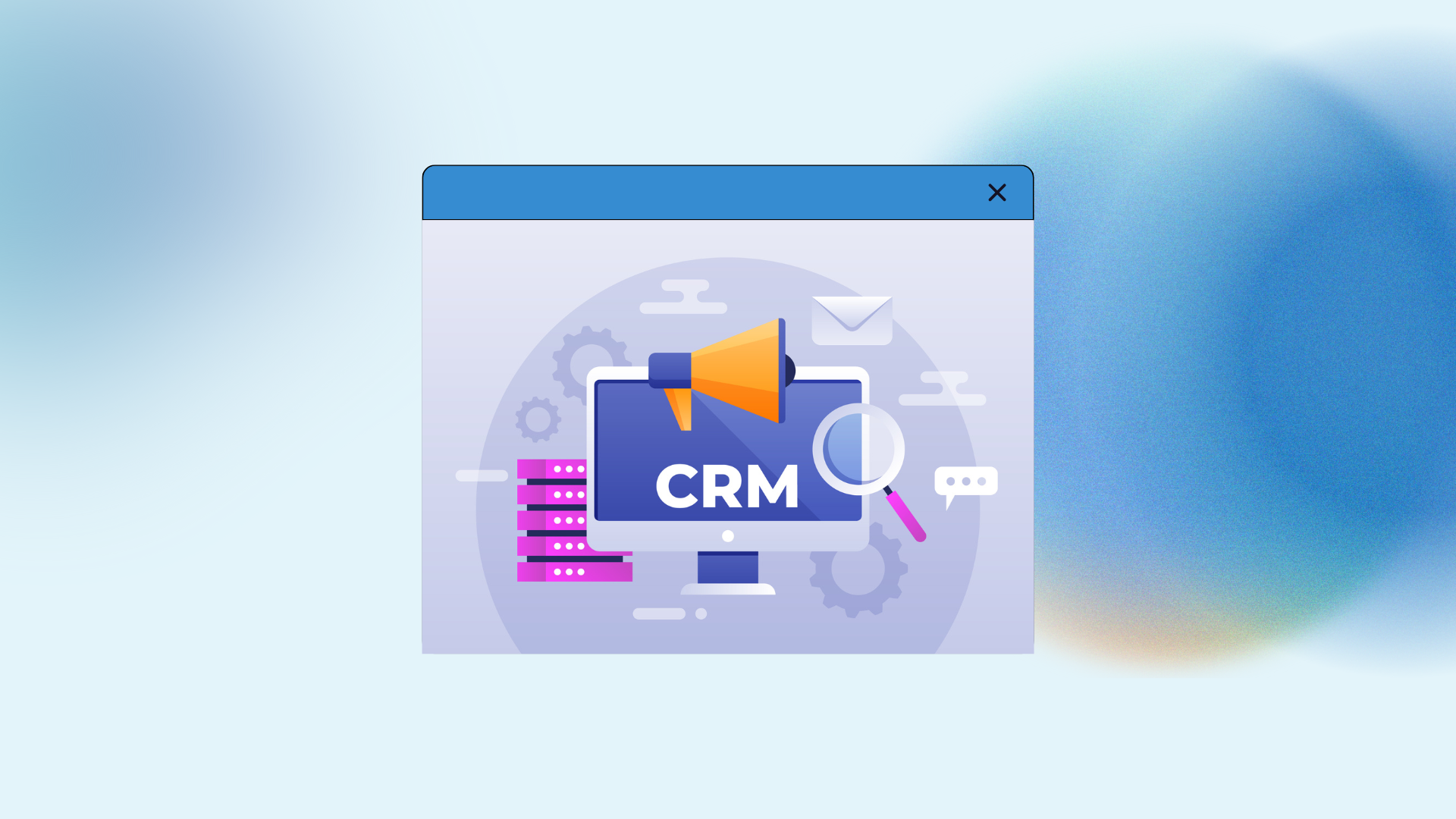
Optimize Your Real Estate CRM for Higher Conversion Rates by focusing on the functional data entry points and follow up sequences that actually move a lead from a cold inquiry to a closed contract.
- 1. Clean Data Entry
- 2. Lead Response Speed
- 3. Behavioral Lead Scoring
- 4. Smart List Segmentation
- 5. Automated Drip Campaigns
- 6. Pipeline Visual Management
- 7. Mobile App Integration
- 8. Integration With Tools
- 9. Analyzing Conversion Metrics
- 10. Client Retention Strategies
- 11. Customizing Task Workflows
- 12. Email Open Tracking
- 13. Avoiding Database Bloat
- 14. Personalizing The User Experience
- 15. Training and Consistency
- 16. Leveraging AI Tools
- 17. Video Integration
- 18. Testing and Iteration
- 19. Using Local Market Data
- 20. The Human Element
- You May Also Like:
- Frequently Asked Questions
Most systems are cluttered with useless fields and outdated contact info that slow down the sales process.
I want to look at how cleaning up that data, automating the initial touchpoints, and segmenting your list based on intent will change the way you interact with potential buyers and sellers.
This is about making the software work for the agent, rather than the agent spending all day managing the software.
1. Clean Data Entry

I spend a lot of time looking at databases that are basically digital graveyards. If you want to Optimize Your Real Estate CRM for Higher Conversion Rates, you have to start with the quality of the information you put in.
When a lead comes in from a portal or your website, it needs to be parsed correctly. If the name is in all caps or the phone number is missing a digit, the conversion process dies before it starts. I prefer setting up strict validation rules on web forms.
This ensures that every entry has a valid email and a workable phone number.
You should also look at custom fields. Standard CRM templates often include fields for things you will never use, like a middle name or an office fax number. I remove those immediately.
I want the screen to show only what matters for a closing.
This includes the lead source, the specific neighborhood they want, their price range, and their timeline. When the interface is clean, I can find information faster during a live call.
Speed is everything. If I am hunting through five tabs to find a spouse’s name while on the phone, I have already lost the rhythm of the conversation.
2. Lead Response Speed
The math on lead response is brutal. If you do not respond within five minutes, the chance of qualifying that lead drops by a massive percentage.
To Optimize Your Real Estate CRM for Higher Conversion Rates, you need an automated first response that does not feel like a robot wrote it.
I avoid the standard “Thank you for your inquiry, a representative will be with you shortly.” That is a conversion killer.
I use simple text based emails that look like I sent them from my phone. Something like “Hey, I saw you were looking at the property on Maple Street.
Are you free for a quick chat today?” works much better. I set the CRM to trigger this the second the API catches the lead. This buys me time to finish my current meeting while the lead feels acknowledged.
If the CRM allows for automated SMS, that is even better. People answer texts much faster than they open emails.
3. Behavioral Lead Scoring
Not all leads are equal. Some people are just browsing at 2 AM on a Tuesday, while others are clicking on mortgage calculators and viewing the same listing four times in an hour.
To Optimize Your Real Estate CRM for Higher Conversion Rates, you must implement lead scoring based on these behaviors. I assign points to specific actions.
A property view might be one point, but a request for a showing is fifty points.
When a lead reaches a certain threshold, the CRM should alert me immediately.
I call this a hot list. Instead of scrolling through an alphabetical list of five hundred people, I start my morning by looking at the top ten people who were active on the site in the last twenty four hours.
This focuses my energy on the people most likely to transact. It is a simple shift in workflow, but it changes everything about the conversion rate.
4. Smart List Segmentation
I see too many agents sending the same generic newsletter to their whole database. That is a waste of time and it causes people to unsubscribe.
If I want to Optimize Your Real Estate CRM for Higher Conversion Rates, I have to segment by intent. I group my contacts into very specific buckets.
I have a list for first time buyers, one for luxury sellers, and one for investors looking for multi family units.
Each of these groups needs different information. An investor wants to see cap rates and cash flow projections.
A first time buyer needs to know about down payment assistance programs. By using tags in the CRM, I can send targeted content that actually provides value.
When people receive emails that are relevant to their specific situation, they stay engaged. Engagement leads to trust, and trust leads to a signed listing agreement or a buyer agency contract.
5. Automated Drip Campaigns
Follow up is where most real estate professionals fail. It is easy to be excited about a new lead, but it is hard to stay consistent six months later when they still haven’t bought anything.
This is where you Optimize Your Real Estate CRM for Higher Conversion Rates through long term automation. I build drip campaigns that last for two years. These are not aggressive sales pitches. They are helpful check ins.
I might send a market update every thirty days or a link to a local event. The goal is to stay top of mind. If I am not in their inbox or their text messages, they will find another agent when they are finally ready to move.
I make sure these drips are “humanized.” I include occasional typos or informal language so they don’t look like corporate marketing material.
I want them to feel like I am personally reaching out because I remembered our conversation from months ago.
6. Pipeline Visual Management
If you can’t see your deals, you can’t manage them. I move away from the list view and use a Kanban board or a visual pipeline.
This allows me to see exactly how many people are in the “Discovery” phase versus the “Under Contract” phase.
To Optimize Your Real Estate CRM for Higher Conversion Rates, you need to identify where the bottlenecks are.
If I see fifty people in the “Showing” stage but only two “In Escrow,” I know I have a problem with my closing techniques or perhaps the inventory is not matching their needs. The visual layout makes these trends obvious. I also set “stale” alerts.
If a lead has been in the same stage for more than fourteen days without a note or a task completion, the CRM turns that record red.
It forces me to take action or move the lead to a “Long Term Nurture” bucket so it doesn’t clutter my active workspace.
7. Mobile App Integration
Real estate does not happen at a desk. It happens in driveways, at coffee shops, and in kitchens. If the CRM is hard to use on a phone, it won’t be used.
I prioritize CRMs that have a robust mobile app. To Optimize Your Real Estate CRM for Higher Conversion Rates, I make it a habit to log notes immediately after a showing while I am still sitting in my car.
If I wait until I get home, I will forget the small details, like the fact that the client hated the carpet or loved the crown molding.
Those small details are what I use in my follow up to show that I was listening. The app should also allow for one touch calling and texting that logs the communication automatically.
If I have to manually enter that I called someone, I probably won’t do it. Automation of activity logging is a huge part of maintaining a clean and effective database.
8. Integration With Tools
A CRM should not be an island. I connect mine to everything. I sync it with my calendar, my email provider, and my transaction management software.
To Optimize Your Real Estate CRM for Higher Conversion Rates, you need a seamless flow of data. When a deal closes in my transaction software, I want the CRM to automatically move that contact to a “Past Client” tag and start a post closing drip campaign for referrals.
I also integrate with social media advertising tools. If I run a Facebook ad, those leads should drop directly into the CRM without me having to download a CSV file and upload it manually. Every minute spent on data entry is a minute not spent on the phone.
I use tools like Zapier to bridge the gaps between apps that don’t have native integrations. This creates a loop where the data moves itself, and I just have to respond to the notifications.
9. Analyzing Conversion Metrics
You can’t fix what you don’t measure. I look at my CRM reports every Sunday night. I want to know my lead to appointment ratio and my appointment to contract ratio.
To Optimize Your Real Estate CRM for Higher Conversion Rates, I look for the gaps. If my lead to appointment ratio is low, I need to work on my initial scripts and response time.
If my appointment to contract ratio is low, I need to look at how I am qualifying people before I get in the car.
The CRM data tells the story of my business. It removes the emotion and the “feeling” of being busy and replaces it with the reality of productivity.
I track which lead sources are giving me the best ROI. If I am spending three thousand dollars a month on a portal but only closing one deal a year from it, I cut that spend and move it to a source that is actually converting.
10. Client Retention Strategies
Conversion isn’t just about new people. It is about getting repeat business and referrals from people who already know you. I use the CRM to track birthdays, home purchase anniversaries, and even pet names.
To Optimize Your Real Estate CRM for Higher Conversion Rates over the long term, you have to treat your past clients like gold.
I set tasks for myself to call past clients every ninety days just to say hello. No sales pitch, just a check in. The CRM reminds me to do this.
When they decide to sell three years from now, I am the only agent they think of. This is the highest form of conversion because the cost of acquisition is essentially zero.
It is all about leveraging the data you already have to create future opportunities.
11. Customizing Task Workflows
I don’t like generic task lists. I build custom workflows for different types of clients. A seller needs a different set of actions than a buyer.
To Optimize Your Real Estate CRM for Higher Conversion Rates, I create a “Listing Launch” workflow that triggers twenty different tasks the moment a listing agreement is signed.
This includes ordering professional photos, putting the sign in the yard, and scheduling the open house.
Having these tasks automated means nothing falls through the cracks. It also allows me to scale. I can handle ten listings at once because the CRM is telling me exactly what needs to be done for each one every single day.
This level of organization impresses clients. When they see that I am on top of every detail, they are more likely to refer me to their friends and family. Efficiency is a massive driver of conversion.
12. Email Open Tracking
Knowing when someone opens an email is a powerful piece of information. I use tracking tools within the CRM to see who is engaging with my content.
If I see that a “cold” lead from six months ago just opened my latest market report three times in ten minutes, I am going to call them.
To Optimize Your Real Estate CRM for Higher Conversion Rates, you have to strike while the iron is hot.
That person is clearly thinking about real estate right now. My call doesn’t have to be “I saw you opened my email.” It can be “Hey, I was just thinking about you and wondered how the house search was going.” It feels like a coincidence to them, but it is data driven timing for me. This increases the chance of a productive conversation and a potential conversion.
13. Avoiding Database Bloat
Every few months, I go through and delete the “junk.” People who gave fake phone numbers, people who have unsubscribed, and people who haven’t opened an email in a year.
To Optimize Your Real Estate CRM for Higher Conversion Rates, you need a lean database. Having ten thousand “leads” sounds great for the ego, but if only five hundred are real, you are wasting resources.
A bloated database makes it harder to find the people who actually want to talk to you. I would rather have a database of two hundred highly engaged people than two thousand who don’t know who I am. I run “re-engagement” campaigns once a year.
If they don’t click or reply, they get archived. This keeps my focus sharp and my costs down if the CRM charges by the number of contacts.
14. Personalizing The User Experience
I make sure my CRM sends out information that looks personalized. I use merge tags to include their name, their city, and the specific property they looked at. But I go deeper.
To Optimize Your Real Estate CRM for Higher Conversion Rates, I include notes about their “why.” Why are they moving? Is it a new baby? A job transfer?
I put these details in the “Notes” section and use them in my automated templates where possible.
If I can’t automate it, I make sure the task reminder includes that note. When I call them and ask how the new baby is doing, the conversion goes from a transaction to a relationship. People buy from people they like and who they feel care about their specific situation.
15. Training and Consistency
The best CRM in the world is useless if you don’t use it every day. I treat my CRM like my office. I “arrive” there at 8 AM and I don’t “leave” until my tasks are zeroed out.
To Optimize Your Real Estate CRM for Higher Conversion Rates, you have to be disciplined. It is easy to skip the data entry when you are busy, but that is exactly when you need it most.
I also make sure anyone on my team is trained on the exact same protocols. We use the same tags, the same notes format, and the same follow up schedules. This ensures that a lead gets the same experience regardless of who they talk to.
Consistency builds a brand. If my assistant logs a call differently than I do, the data becomes messy and the conversion tracking fails. We have a standard operating procedure for the CRM that everyone follows.
16. Leveraging AI Tools
I am starting to use the built in AI features that many CRMs now offer. These tools can predict which leads are most likely to list their home based on public data and behavior patterns.
To Optimize Your Real Estate CRM for Higher Conversion Rates, I use these predictions to prioritize my outbound calls.
If the AI tells me that someone in my database has a 70 percent chance of moving in the next six months because they just got a promotion or their kids just graduated, I am going to be very proactive with that person. It is about using every available tool to gain an edge in a competitive market.
The software can process millions of data points faster than I ever could, so I let it do the heavy lifting of identification while I do the human work of connection.
17. Video Integration
Sometimes text and email aren’t enough. I integrate video tools like BombBomb into my CRM. To Optimize Your Real Estate CRM for Higher Conversion Rates, I send a quick video message to new leads.
It puts a face to the name and makes me a real person rather than just another agent emailing them.
I keep these videos under thirty seconds. “Hey Sarah, I’m Dave. I saw you looking at houses in the West End. I live nearby and know the area well.
Let me know if you want to see anything this weekend.” It is simple, fast, and has a much higher response rate than a standard email. The CRM tracks if they watched the video, which gives me another data point for my lead scoring.
18. Testing and Iteration
I never assume my first version of a drip campaign or a landing page is the best one. I am constantly A/B testing my subject lines and my call to action buttons.
To Optimize Your Real Estate CRM for Higher Conversion Rates, you have to be willing to look at the data and admit when something isn’t working.
If a certain email has a low open rate, I change the subject line. If people are opening it but not clicking the link, I change the body text.
Small tweaks over time lead to massive improvements in the overall conversion rate.
I do this systematically, changing only one thing at a time so I know exactly what caused the improvement. It is a slow process, but it is the only way to reach peak efficiency.
19. Using Local Market Data
I make sure my CRM is pulling in live market data from the MLS. To Optimize Your Real Estate CRM for Higher Conversion Rates, I send “Sold” alerts to my buyer leads.
I want them to see what homes are actually selling for, not just what they are listed for. This educates them on the market and makes them more realistic when it comes time to make an offer.
For sellers, I send “Active” alerts of their competition. It keeps them informed without me having to manually send reports every week.
The CRM handles the delivery, and I get the credit for keeping them updated. This positioning as a local expert is vital for conversion. When they see me as the source of truth for their neighborhood, they won’t go anywhere else.
20. The Human Element

At the end of all the automation and data, real estate is still a people business. I use the CRM to remove the “noise” so I can focus on the “signal.” To Optimize Your Real Estate CRM for Higher Conversion Rates, I use the time I save through automation to have deeper, longer conversations with my best prospects.
The CRM tells me who to call and when, but it doesn’t do the talking for me. I use the data to be more prepared, more empathetic, and more effective.
If I know their kids’ names, their move motivation, and their favorite style of architecture, I am going to win that client.
The CRM is just the tool that holds that knowledge so I can use it at the right moment.
You May Also Like:
- What Is A Customer Relationship Management System
- The Ultimate 10 Best CRM for Real Estate Investors in 2025
- The Ultimate 10 Best CRM for Financial Advisors in 2025
- How to Use CRM System Effectively | 2025 Guide
Frequently Asked Questions
How often should I clean my CRM database?
I recommend a deep clean every ninety days. You should remove invalid emails, archive dead leads who haven’t responded in over a year, and update any missing contact information. Keeping the database lean ensures you are focusing your time and money on prospects who actually have the potential to convert.
Which CRM features are most important for conversion?
The most critical features are automated lead response, behavioral tracking, and mobile accessibility. You need to be able to reach leads instantly, see what they are doing on your site in real time, and manage your tasks from the field. Without these, you will struggle to keep up with the speed of modern real estate.
Can I Optimize Your Real Estate CRM for Higher Conversion Rates without spending more money?
Yes, much of optimization is about process rather than purchasing new software. You can improve your conversion rates by writing better email templates, being more consistent with your follow up tasks, and properly segmenting your existing list. Discipline and strategy often matter more than the specific platform you use.
How do I know if my CRM is actually working?
The only way to know is to track your metrics. Look at your lead to closing ratio over a six month period. If you are seeing a steady increase in the percentage of leads that turn into contracts, your optimization efforts are working. If the numbers are flat, you need to look at your follow up timing and the quality of your content.