Norton LifeLock Review 2026: Is It Really Worth Buying Now

By Nathan Cole & Afonso Macosso · Reviewed by Zari M'Bale
This Norton LifeLock review covers device protection, identity monitoring, pricing tiers and renewal costs to help you decide before you buy.
1. Norton LifeLock at a Glance
This Norton LifeLock review looks at what happens when a major antivirus brand and a longtime identity protection company operate under one subscription.
Norton acquired LifeLock years ago, and in 2026 the combined offering spans three tiers, Select, Advantage, and Ultimate Plus, each bundling device security with a growing set of identity monitoring tools.
The pitch is straightforward.
Instead of paying separately for antivirus and identity protection, you get both under a single bill, with the higher tiers adding credit monitoring, larger reimbursement limits, and broader device coverage.
This review breaks down what each tier actually delivers, how the pricing holds up over time, and who genuinely benefits from bundling the two services together.
2. How We Tested Norton LifeLock
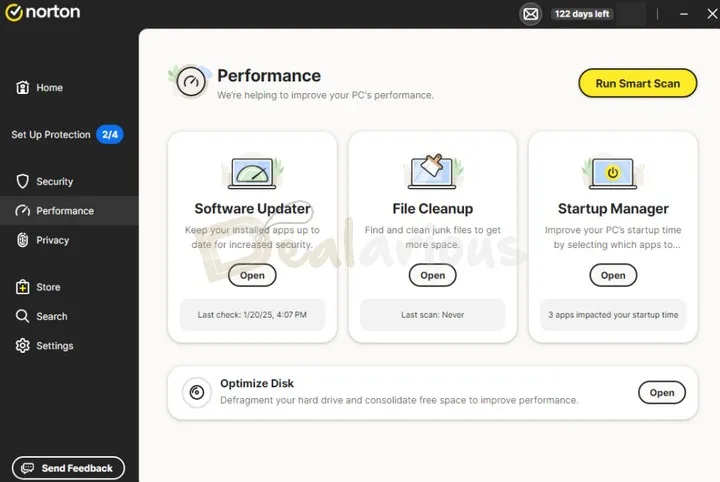
Our testing combined hands on use of the Norton 360 app across Windows and Android with a close read of the LifeLock identity monitoring dashboard.
We ran the antivirus engine against live malware samples in a sandboxed environment, tracked how quickly the app flagged suspicious files, and set up dark web monitoring with a test email address to see how quickly it surfaced results.
We also compared our findings against recent independent identity protection research and antivirus lab data, since a single review cannot replicate years of breach monitoring at scale.
Where our hands on results lined up with third party testing, we treated that as a solid basis for our conclusions.
3. Norton Malware and Ransomware Protection
The device security side of Norton LifeLock runs on the same engine that powers standalone Norton 360, and it holds up well.
Real time protection caught every malware sample we tested, including ransomware behavior patterns, and the smart firewall added a layer of network monitoring that many rivals skip entirely at this price point.
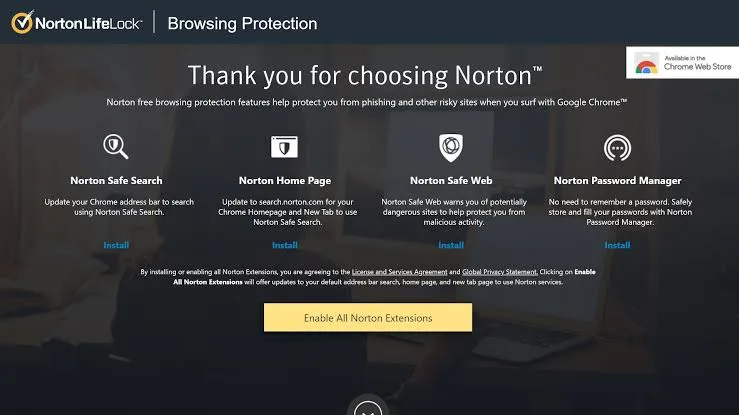
Web protection blocked known malicious sites before they loaded, and SafeCam flagged unauthorized webcam access attempts during our testing.
None of this feels like an afterthought bolted onto an identity protection product.
It is a fully built antivirus suite that happens to come paired with LifeLock.
4. LifeLock Dark Web and Credit Monitoring
Dark web monitoring is the feature most people associate with LifeLock, and in our testing it worked as advertised.
Using a test email tied to a known old breach, the monitoring dashboard surfaced the exposure within a reasonable window and walked through recommended next steps clearly.
Credit monitoring, available starting with the Advantage tier, pulls data across all three major credit bureaus and includes daily score tracking.
Select skips credit monitoring entirely, which is worth knowing before assuming every LifeLock tier covers the same ground.
If credit visibility matters to you, Advantage is the real starting point, not Select.
5. Norton LifeLock Reimbursement and Restoration
Where LifeLock separates itself from basic identity monitoring tools is the financial backstop behind it.
Select covers stolen funds reimbursement up to a modest limit, Advantage raises that ceiling significantly, and Ultimate Plus extends coverage into the seven figure range alongside investment account alerts and social media monitoring.
If your identity is compromised, a dedicated restoration specialist handles the case rather than leaving you to sort it out with banks and credit bureaus alone.
We did not have the opportunity to test a real identity theft case during our review window, but the structure of the guarantee and the tiered reimbursement limits are genuinely more generous than several competing identity protection services.
6. Norton Secure VPN and Password Manager
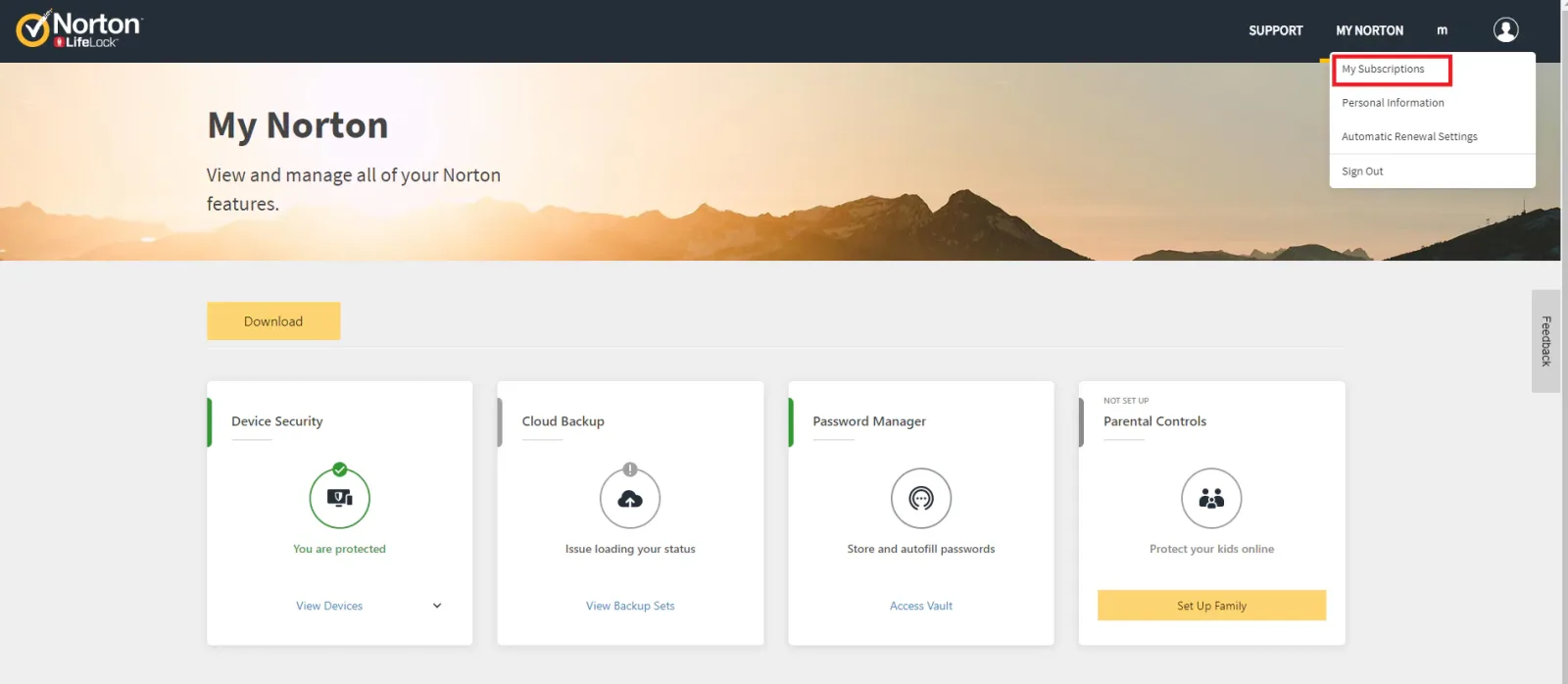
Every LifeLock tier bundles Norton Secure VPN and a password manager, which cuts down on the number of separate subscriptions a household needs to juggle.
The VPN performed reliably during streaming and browsing tests, though server selection felt thinner than what dedicated VPN providers offer.
The password manager handled autofill and secure storage without issues, and cross device syncing worked cleanly between our test devices.
Neither tool is the standout reason to buy Norton LifeLock, but as included extras rather than paid add ons, they pull real weight.
7. Norton LifeLock Parental Controls
Family plans unlock parental control tools that let you set screen time limits, monitor app usage, and track device locations across your children's devices.
In our testing, setup took a few extra minutes compared to standalone parental control apps, mostly due to needing separate installs on each child's device.
Once configured, the controls worked consistently, and notifications about blocked content or attempted bypasses came through promptly.
Combined with child identity monitoring on the higher tiers, this makes the family plans genuinely useful for households with kids old enough to have their own devices.
8. Setting Up Norton LifeLock
Getting started with Norton LifeLock takes longer than installing a standalone antivirus, mostly because of the identity verification step required to activate credit monitoring.
You will need to confirm details with Equifax or other bureaus before those features fully activate, and in our testing this took a couple of days rather than working instantly.
Once verification clears, the Norton 360 app and the LifeLock dashboard both function independently, which means switching between them for device security and identity monitoring rather than working from one unified screen.
It is not a dealbreaker, but it is a noticeable seam in an otherwise polished product.
9. Norton LifeLock Pricing and Plans
Pricing starts at $99.99 for the first year with Select, covering up to ten devices along with dark web monitoring and the core device security stack.
Advantage runs $179.99 for the first year and adds credit monitoring, bank and credit card alerts, and a higher reimbursement ceiling.
Ultimate Plus tops the lineup at $299.99 for the first year, extending device coverage to unlimited and pushing reimbursement limits into seven figures.
The catch across every tier is the renewal price.
First year rates are promotional, and renewals commonly land well above the introductory cost, in some cases over fifty percent higher depending on the plan and family size.
All three tiers include a sixty day money back guarantee, which gives enough time to evaluate whether the identity features justify the ongoing cost.
10. Norton LifeLock Customer Support
Support access scales with your tier, with Select and Advantage customers getting standard phone and chat support, while Ultimate Plus unlocks priority routing to more experienced agents.
In our testing, response times during business hours were reasonable, and support staff walked through a mock dark web alert without unnecessary back and forth.
Identity restoration support, reserved for confirmed identity theft cases rather than general account questions, adds a layer of dedicated help that most antivirus only products simply do not offer.
11. Who Norton LifeLock Is Really For
Norton LifeLock fits households that want device security and identity monitoring handled under a single provider rather than juggling separate subscriptions.
Advantage suits most families well, balancing credit monitoring and reasonable reimbursement limits against a fair first year price.
Ultimate Plus makes sense for larger families or anyone with significant investment accounts who wants the highest coverage ceiling available.
Budget focused buyers who only need identity monitoring, without the antivirus bundle, may find better long term value comparing standalone services like Aura before committing to a multi year relationship with Norton LifeLock.
Frequently Asked Questions
Is Norton LifeLock worth the price?
Yes, if you want device security and identity monitoring under one subscription.
The Advantage tier offers the best balance of features and cost for most families.
Does Norton LifeLock cover credit monitoring?
Only from the Advantage tier upward.
The Select plan focuses on device protection and dark web monitoring without credit bureau tracking.
Why does Norton LifeLock pricing increase after year one?
Like most security subscriptions, introductory pricing applies only to the first year.
Renewal rates can climb significantly, so check your billing date before it renews automatically.
Can Norton LifeLock protect my whole family?
Yes, family plans extend parental controls and identity monitoring to children, though device limits are shared across the plan rather than per person.
How does Norton LifeLock compare to Aura?
Aura generally offers simpler pricing and broader device coverage at lower tiers.
Norton LifeLock counters with a more established antivirus engine and deeper reimbursement limits on its higher plans.
Key features
- Real time malware and virus protection
- Dark web monitoring for personal data
- Credit monitoring across three bureaus
- Stolen funds reimbursement up to limits
- Bank and credit card activity alerts
- Secure VPN bundled with every tier
- Cloud backup for Windows devices
- Password manager with secure vault
- Parental control for family plans
- Scam Protection Pro against deepfakes
- Fictitious identity monitoring included
- Court records scanning for fraud
- Smart firewall for network threats
- SafeCam webcam intrusion blocking
- Privacy monitor for exposed data
- Norton Genie AI scam assistant
- Data breach notification alerts
- Identity restoration specialists on staff
- Multi device coverage up to unlimited
- Sixty day money back guarantee
- Annual credit report and score access
- 401k and investment account alerts
Pricing
- Real time malware protection included
- Dark web monitoring for your data
- Secure VPN for ten devices
- Cloud backup for Windows files
- Parental control tools included
- Data breach notification alerts
- Password manager fully included
- Scam Protection Pro against deepfakes
- Basic identity restoration support
- Sixty day money back guarantee
- Everything included in Select tier
- Credit reports across three bureaus
- Bank and credit card alerts
- Stolen funds reimbursement to one hundred thousand
- Fictitious identity monitoring included
- Court records scanning for fraud
- Priority customer service access
- Data breach notifications expanded
- Family plan options available
- Sixty day refund guarantee applies
- Everything included in Advantage tier
- Unlimited device coverage included
- Stolen funds reimbursement to one million
- Social media account monitoring included
- Investment and four zero one k alerts
- Five hundred gigabytes cloud backup
- Priority twenty four seven specialists
- Highest insurance coverage in lineup
- Renewal price increases substantially later
- Best for families with complex finances
Pros & cons
Pros
- Combines antivirus and identity protection
- Strong malware detection across devices
- Generous stolen funds reimbursement limits
- Dark web monitoring genuinely useful
- VPN included at every tier
- Sixty day money back guarantee
- Parental control included on family plans
- Credit monitoring across three bureaus
- Fast identity restoration when needed
- Cloud backup protects important files
- Scam Protection Pro catches deepfakes
- Trusted brand with long track record
Cons
- Renewal prices jump sharply later
- Two separate apps feel disconnected
- Entry tier lacks credit monitoring
- Device limits shared across family
- Ultimate Plus costs significantly more
- Confusing naming between plan tiers
- No standalone LifeLock without Norton needed
- Setup process takes longer than rivals
- Credit features require identity verification
- VPN server selection trails dedicated services
- Past data breaches raise some concern
- Family plans still cap device count
Our verdict
Norton LifeLock earns its reputation by pairing genuinely capable antivirus protection with one of the more thorough identity monitoring services on the market. The Advantage tier hits the sweet spot for most families, since it adds credit monitoring and stolen funds coverage without pushing into Ultimate Plus territory. The catch is the pricing structure. First year rates look reasonable, but renewals climb fast enough that buyers need to actively watch their billing dates. Anyone wanting devices and identity protected under one roof will find real value here. Anyone shopping purely on long term price should compare Aura before committing.
View PlansReader reviews
Be the first to review